
AC Troubleshooting Guides for Washington DCsafe checks before you call
These guides explain common air conditioning symptoms, the checks you can safely do yourself and what each finding usually means. Each one ends with the signs that mean it is time to call.
All guides
 Guide
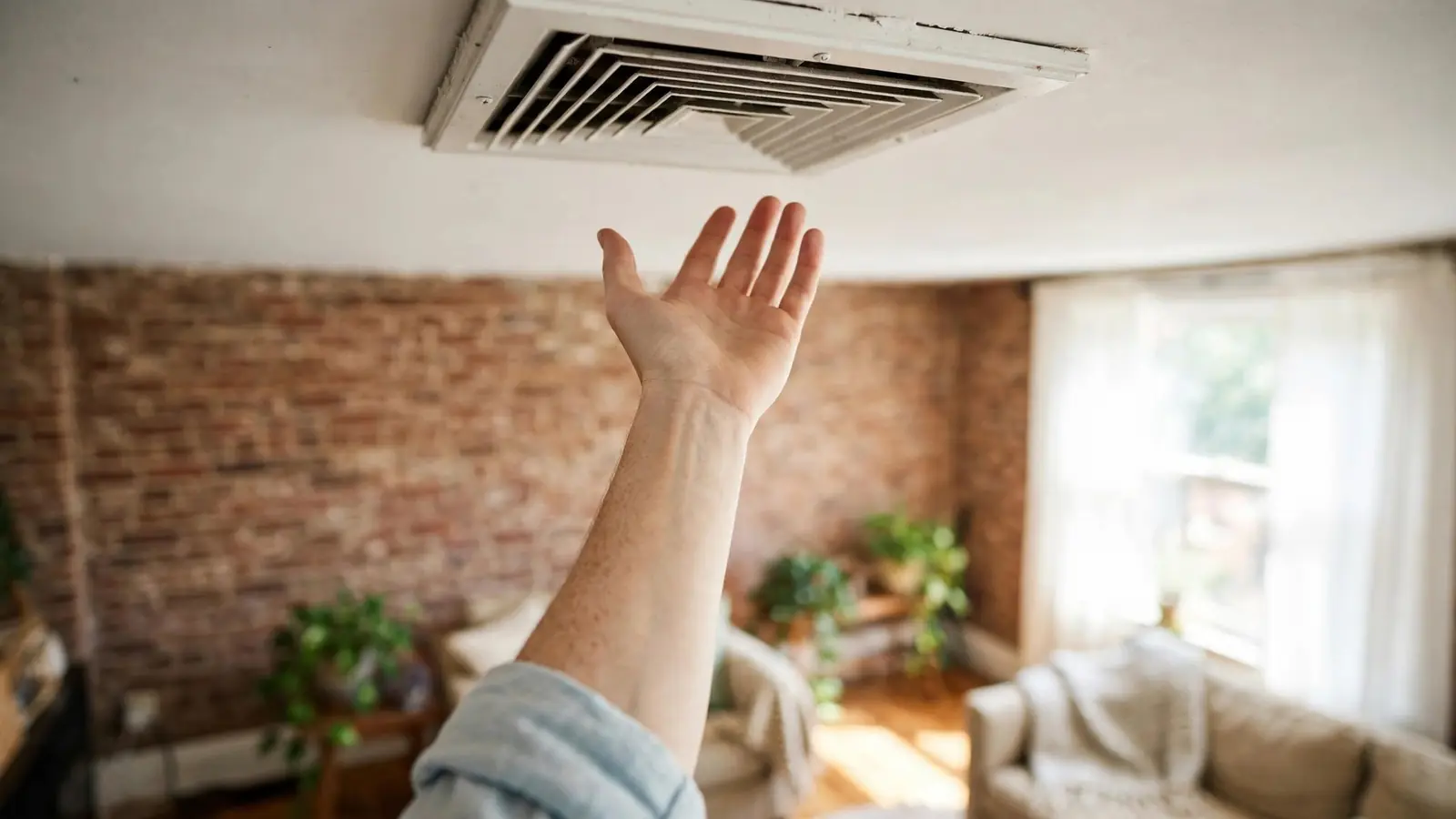
AC blowing warm air
Warm air from the vents has a handful of common causes. Safe checks to try first and what each finding means.
Read the guide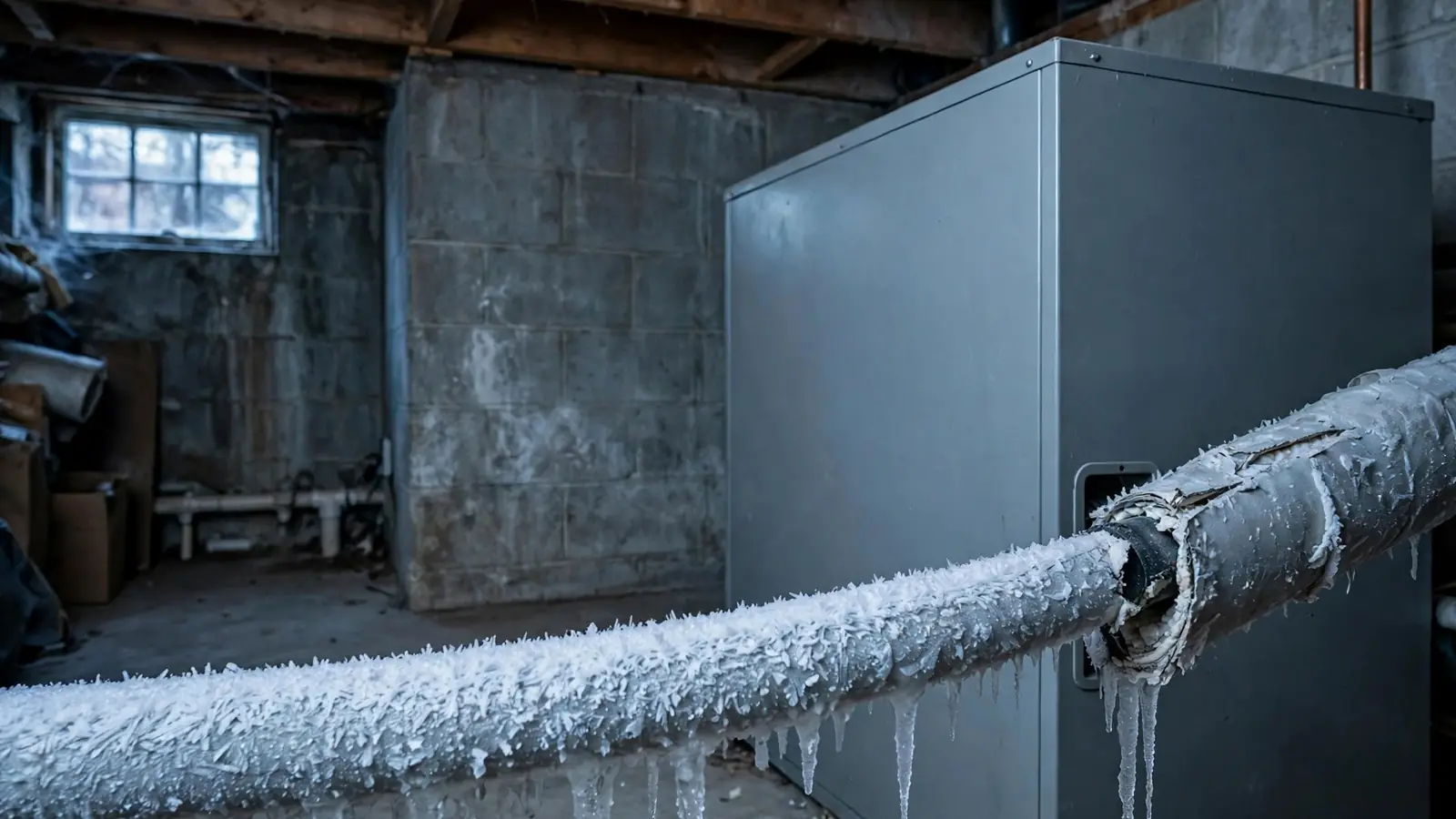 Guide
AC frozen coil
Ice on your AC in summer is a warning sign. Why coils freeze, how to thaw them safely and what usually needs fixing.
Read the guide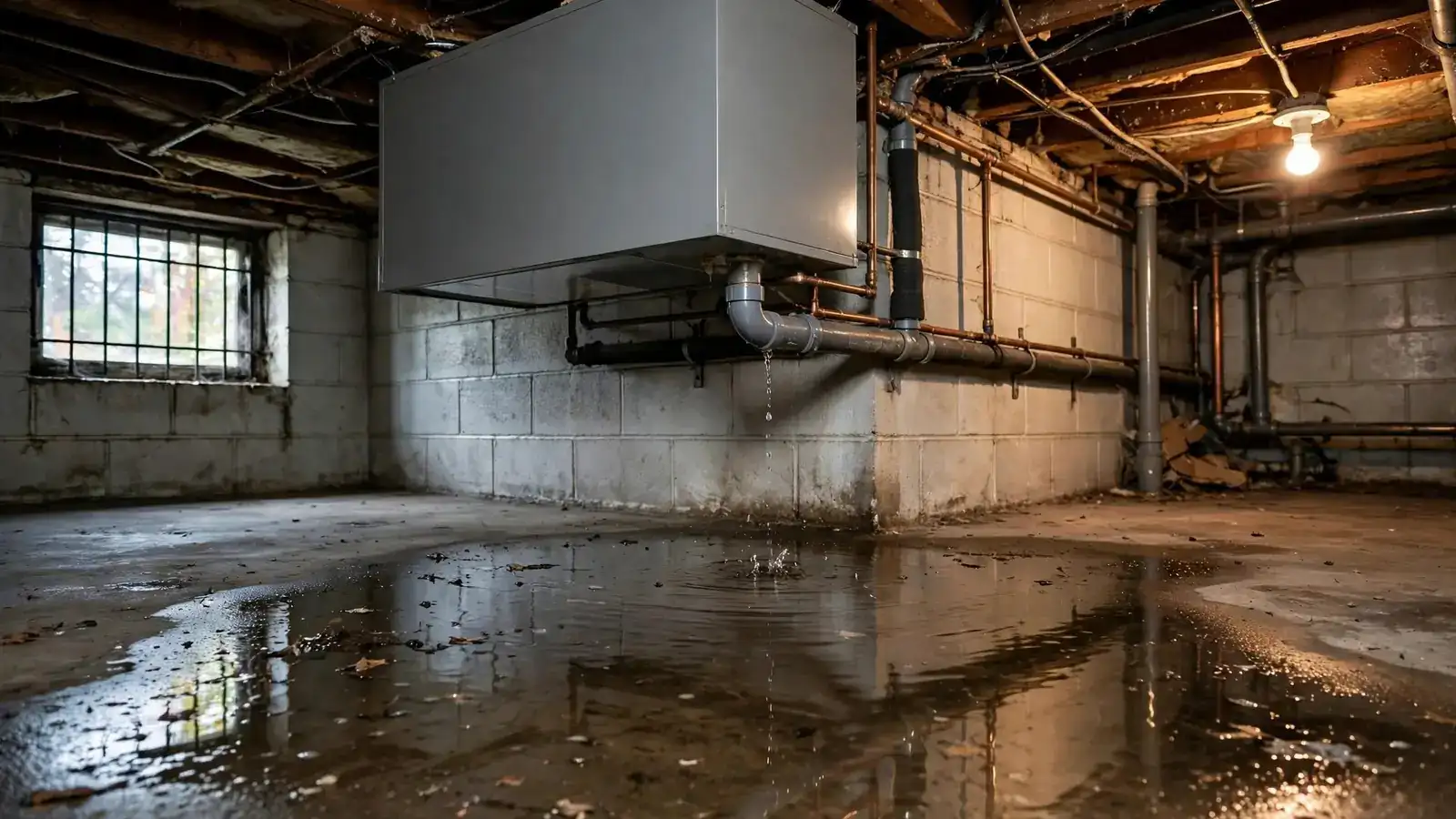 Guide
AC leaking water
Water around the indoor unit usually comes from the condensate system. Common causes, safe steps and how to prevent damage.
Read the guide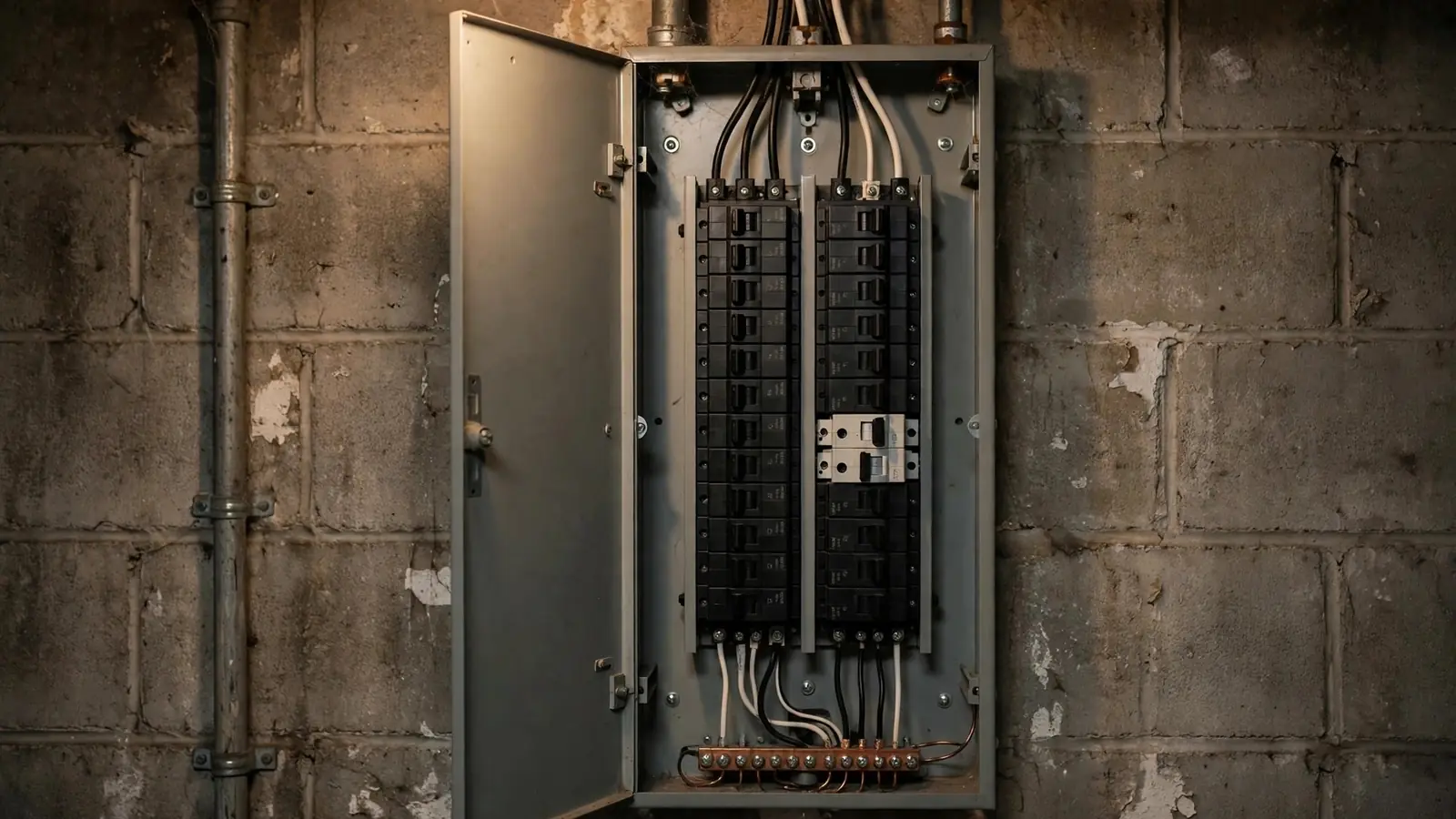 Guide
AC won't turn on
When the AC will not start at all, the cause is often power or controls. Safe checks and what they reveal.
Read the guide Guide
Short cycling AC
An AC that turns on and off every few minutes wastes energy and wears parts. Why it happens and what to check.
Read the guide
Guides
What the guides cover
The warm air guide walks through thermostat, filter and outdoor unit checks. The frozen coil guide explains why ice forms in summer and how to thaw safely. The won't-turn-on guide covers thermostats, breakers, disconnects and safety switches.
The leaking water guide explains condensate drains, pumps and pans, and how to limit damage. The short cycling guide covers sizing, thermostat placement and the faults that make systems start and stop too often.
These are general guides for DC homes. They do not replace a technician who has seen your system, and none of them involve opening electrical panels or handling refrigerant. Each lists its sources.
Start with the guide that matches what you see. If more than one applies, such as ice and water together, read both, since one problem often causes the other. The guides link to the service pages that explain repairs in depth.
Every check in these guides is something a homeowner or renter can do without tools or special training, such as reading a thermostat, changing a filter, resetting a breaker once or looking at the outdoor fan. Anything beyond that belongs to a licensed technician. When in doubt, switch the system off and call.
Guides
Guides for DC homeowners
- Guide
AC blowing warm air
Warm air from the vents has a handful of common causes. Safe checks to try first and what each finding means.
Read the guide - Guide
AC frozen coil
Ice on your AC in summer is a warning sign. Why coils freeze, how to thaw them safely and what usually needs fixing.
Read the guide - Guide
AC leaking water
Water around the indoor unit usually comes from the condensate system. Common causes, safe steps and how to prevent damage.
Read the guide - Guide
AC won't turn on
When the AC will not start at all, the cause is often power or controls. Safe checks and what they reveal.
Read the guide - Guide
Short cycling AC
An AC that turns on and off every few minutes wastes energy and wears parts. Why it happens and what to check.
Read the guide
DC air conditioning
Still stuck?
Call and describe what you found to an independent HVAC technician working in DC.