
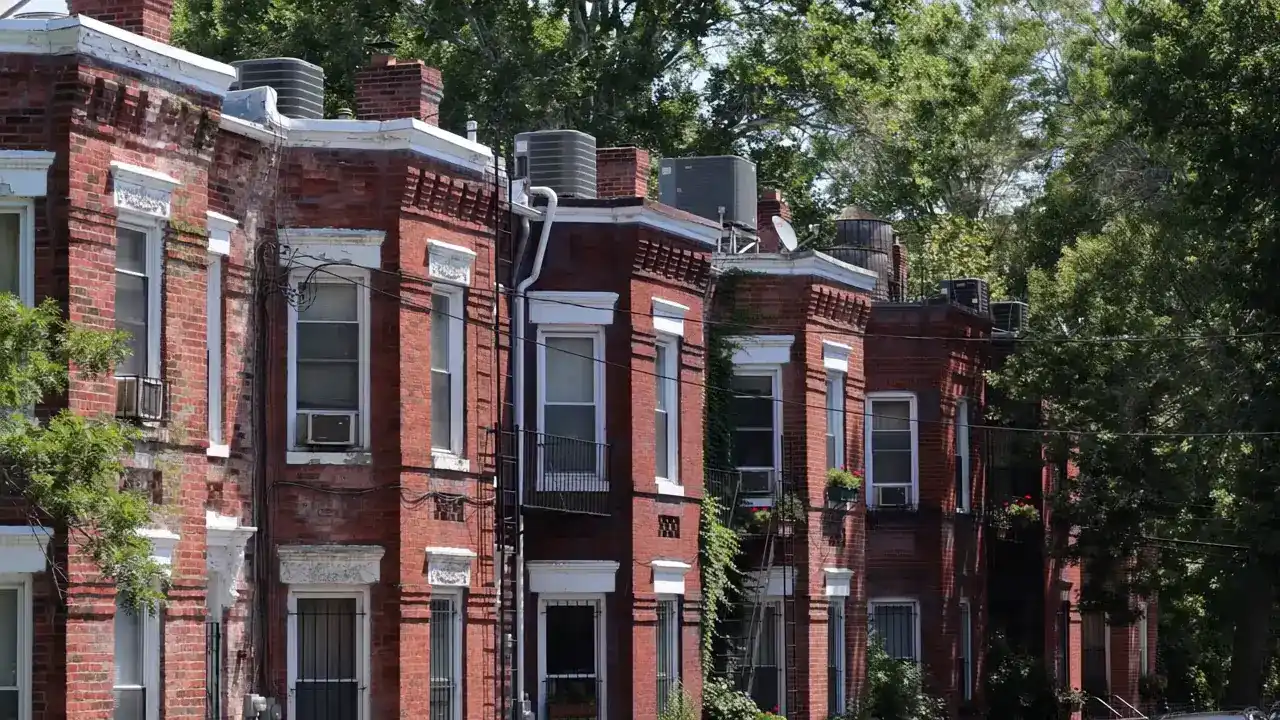
Air conditioning repair in Washington, DC
AC Repair in Washington, DCfor rowhouses, condos and detached homes
DC summers are long, hot and sticky, and the air conditioning in a hundred-year-old rowhouse works hard to keep up. When it stops cooling, hums without starting, leaks water or freezes, one call puts you through to an independent HVAC technician working in the District, and you talk about your system on that same call.
Call-in only. A technician takes your call.
- Not cooling or blowing warm air
- Refrigerant leaks and frozen coils
- Capacitors, fans and controls
- Heat pumps and mini-splits
- A technician on the lineYour call is connected to an independent HVAC technician working in DC, and you speak right away.
- No sign-upsWe take no forms or contact details, and nobody from this site follows up by phone, text or email.
- Written for DC homesRowhouses, rooftop units, condos, historic districts and humid summers are covered.
- Problems explained firstRead what usually goes wrong before you pick up the phone.
Key facts: AC Repair in Washington, DC
- Washington's summers are hot and humid, so air conditioners run long hours [1].
- Many DC rowhouses have rooftop condensers and long refrigerant line runs.
- Only technicians certified under EPA Section 608 may handle refrigerant [2].
- HVAC and refrigeration mechanics in DC are licensed through the Department of Licensing and Consumer Protection [3].
- This line passes calls to independent technicians; the site itself does no repairs.
Common problems
What brings DC residents to the phone
Knowing which of these you face makes the call quicker.
Running but not cooling
Airflow, outdoor unit or refrigerant problems.
Read moreOutdoor unit humming
Often a failed capacitor or fan motor.
Read moreIce on the lines
Low airflow or a refrigerant leak.
Read moreWater on the floor
Clogged condensate drain or pump.
Read moreHeat pump trouble
Defrost, reversing valve or backup heat.
Read moreTime for a new system
Sizing, ductless options and permits.
Read more
Repair services
AC and heat pump services in DC
Each service page explains causes, checks and what a technician does.
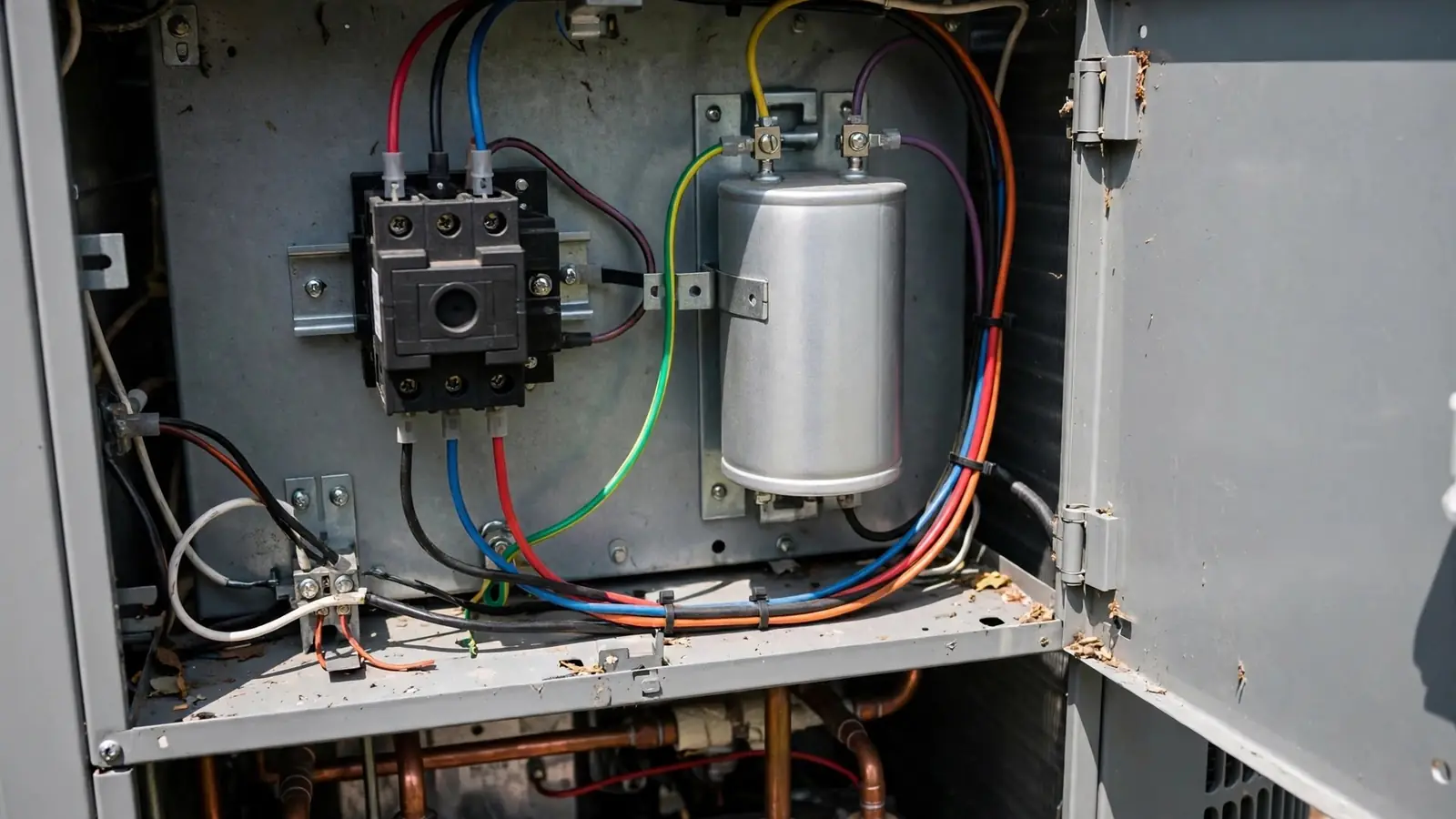
Capacitor and Fan Repair
A humming outdoor unit with a fan that will not spin often means a failed capacitor or fan motor. What fails, why heat makes it worse, and what to expect.
Explore service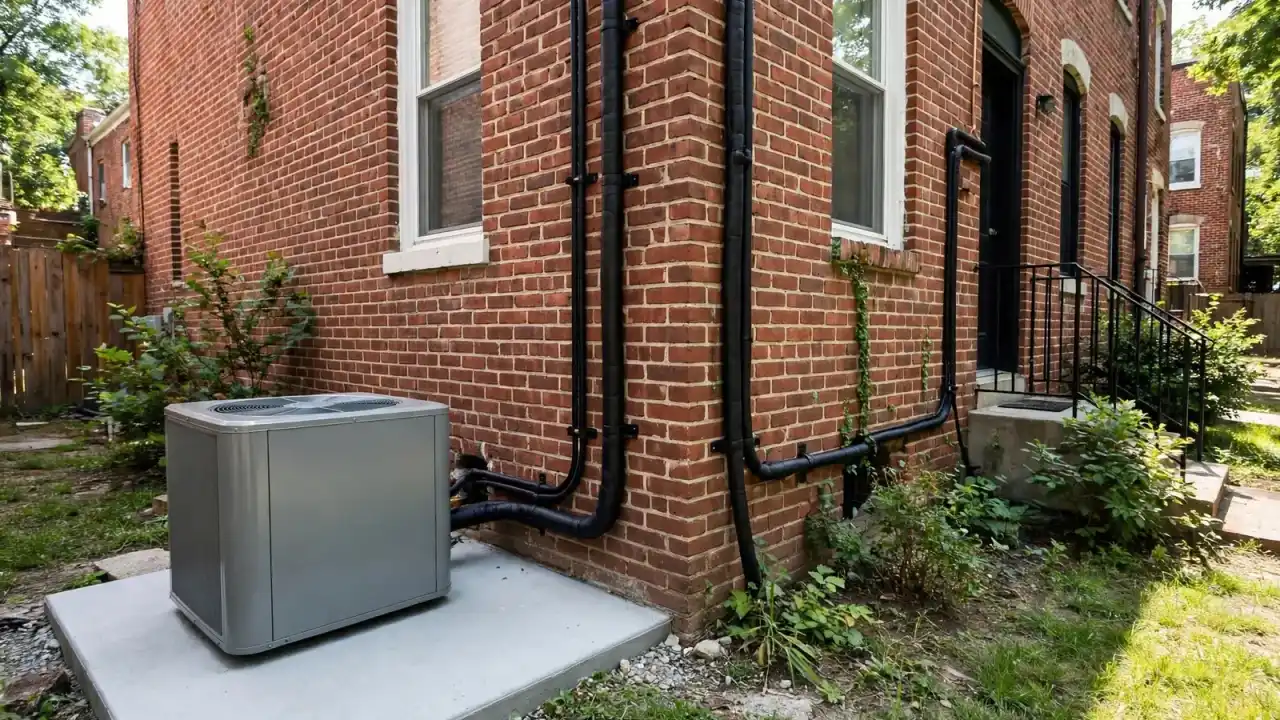
AC Installation
Replacing or adding cooling in a DC rowhouse or detached home: sizing, ducted versus ductless, heat pumps, permits, historic review and refrigerant changes.
Explore service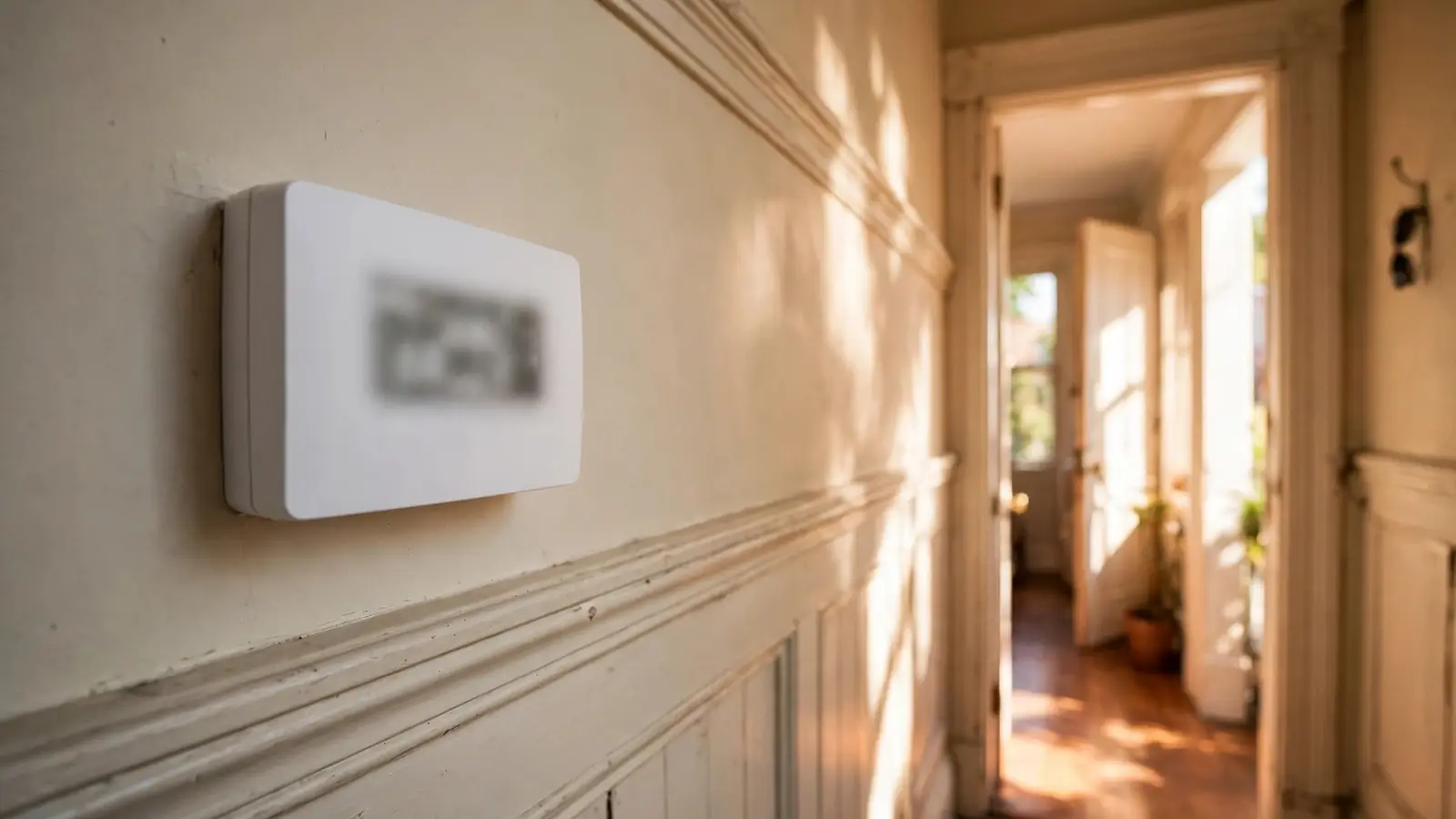
AC Not Cooling
Running but not cooling is the most common summer call in DC. What causes it in rowhouses and older homes, and what a technician checks.
Explore service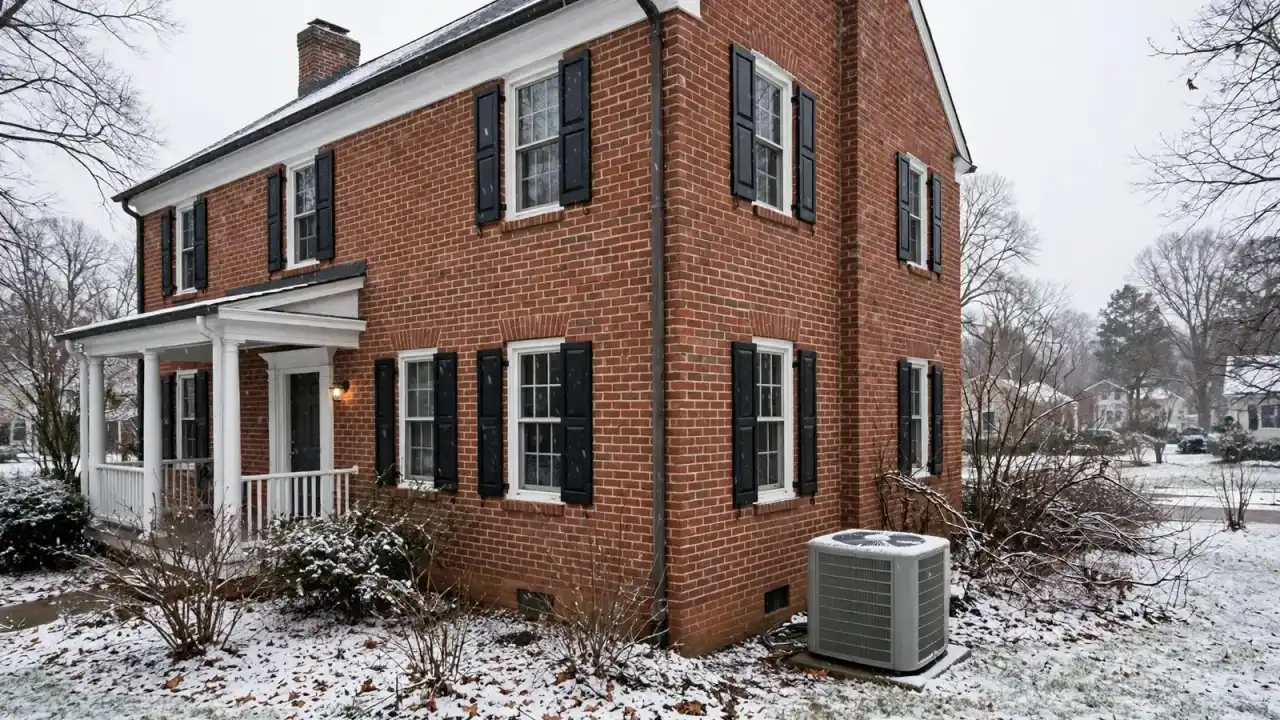
Heat Pump Repair
Heat pumps cool in summer and heat in winter. Common problems in DC homes, defrost and backup heat, and what a technician checks.
Explore service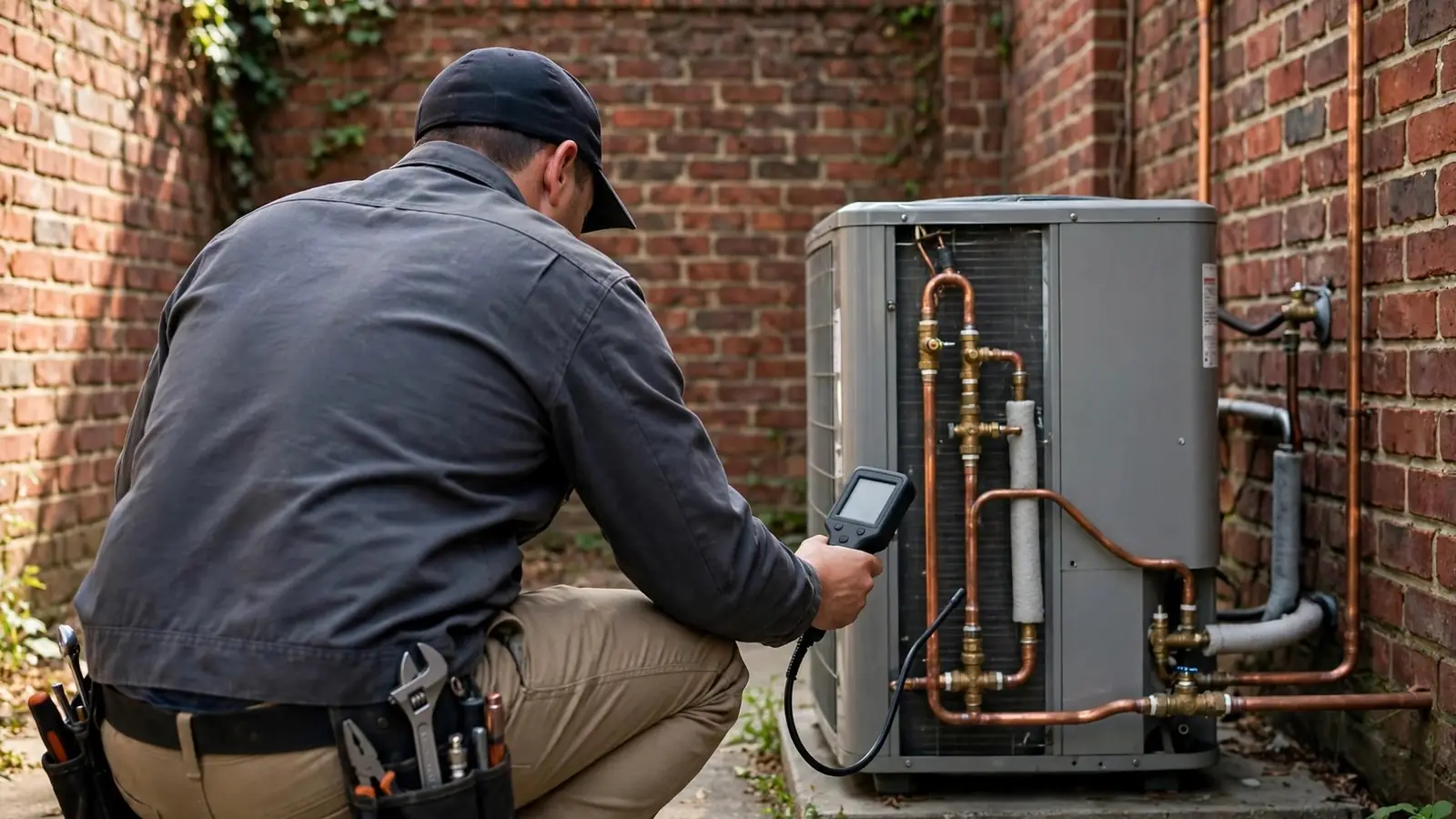
Refrigerant Leak Repair
Low refrigerant means a leak. How leaks are found and repaired in DC systems, from long rooftop line sets to mini-split flare joints.
Explore service
If the heat is dangerous
During heat waves, a failed air conditioner can be a health risk, especially for older adults, infants and people with heart or lung conditions [4]. Do not wait out extreme heat in a hot home.
- Move to the coolest room or a cooled public place
- Drink water regularly
- Check on older neighbors
- Use fans to move air, not as the only cooling in extreme heat
- Call 911 for signs of heat stroke
Patterns
Why DC systems fail when they do
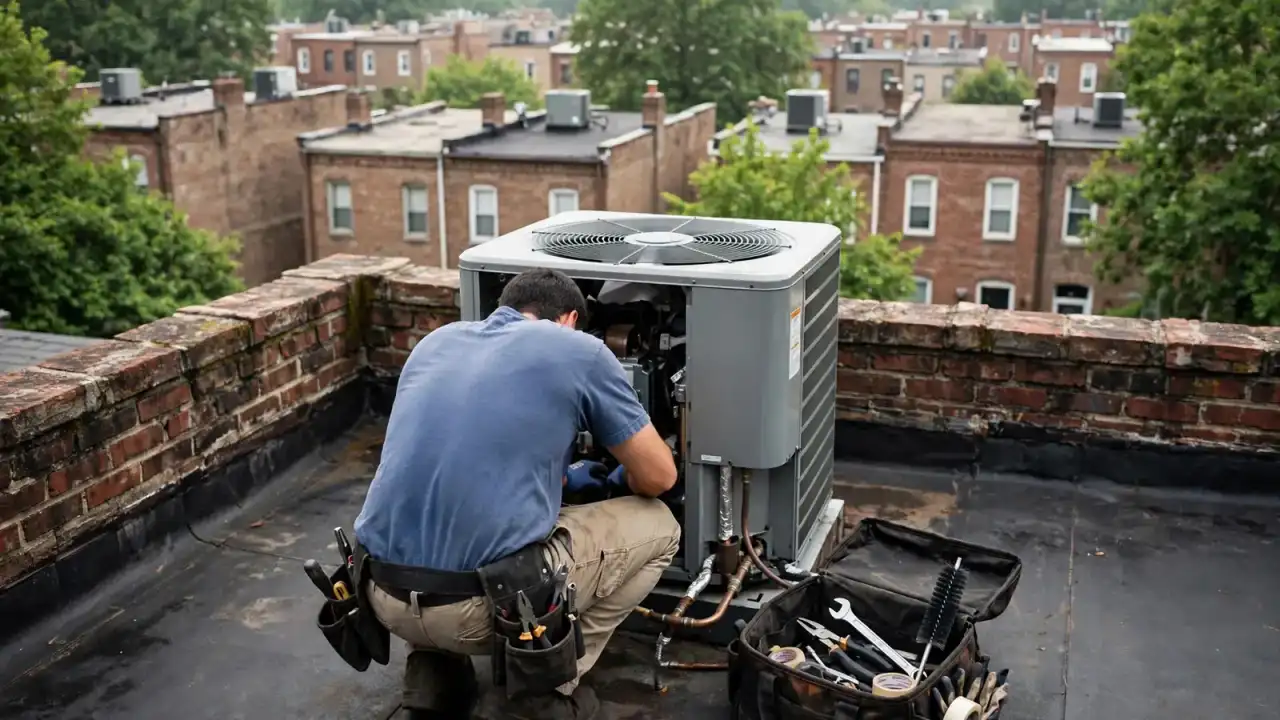
Most breakdowns show up on the first hot week of the season or in the middle of a heat wave. Long run times strain capacitors and fan motors, slow refrigerant leaks finally show, and dirty filters and coils choke airflow.
Rowhouse rooftop units sit in full sun on dark roofs, basement air handlers collect dust and condensate drains clog with algae in warm, damp spaces. A spring check before June catches many of these problems.
- First heat wave reveals weak parts
- Rooftop units overheat
- Drains clog in humid months
- Spring checks prevent surprises
DC homes
How DC housing shapes repairs
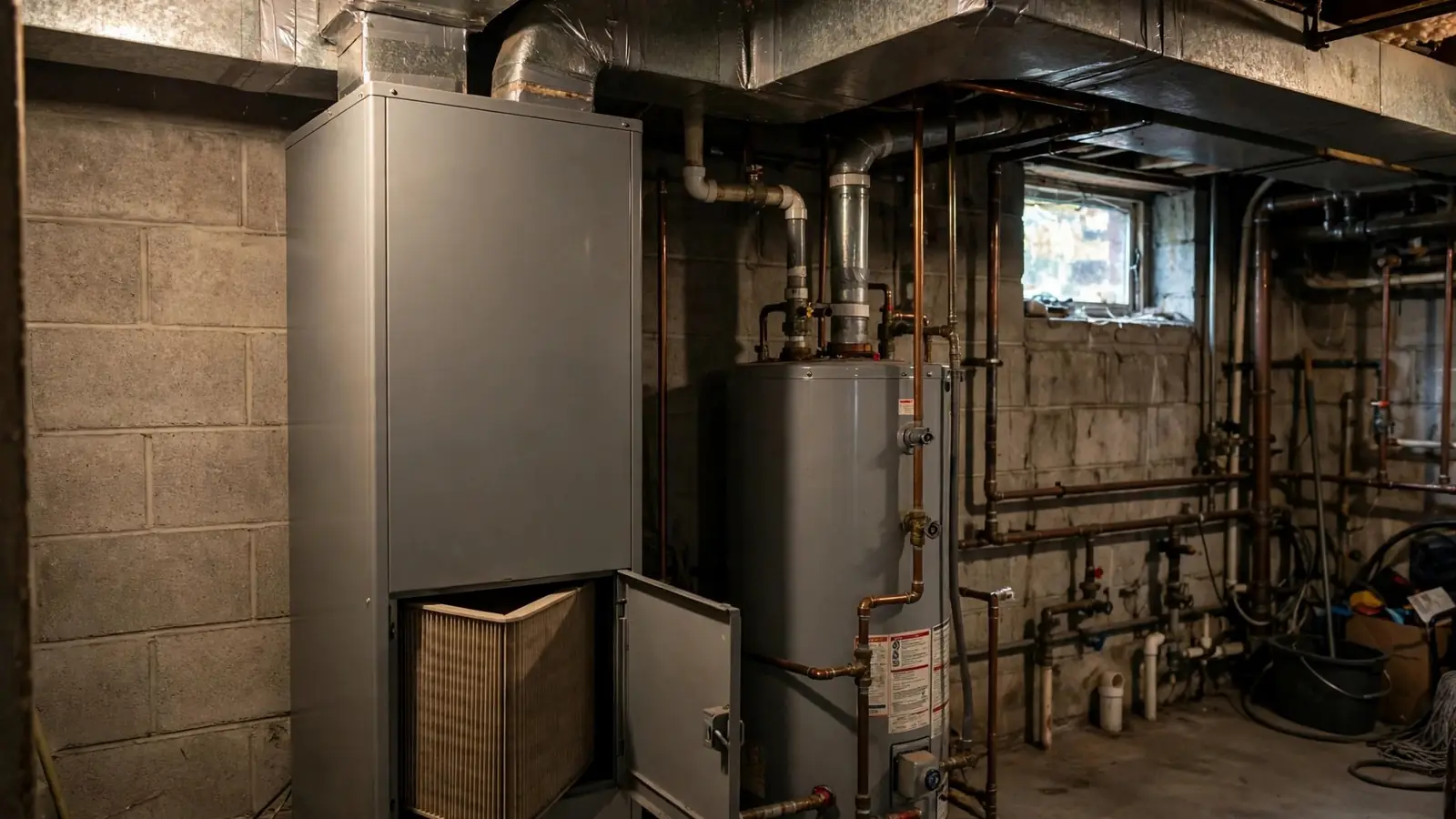
Air conditioning was added to most DC rowhouses decades after they were built. Air handlers ended up in basements, closets and tight attics, ducts went into soffits and closets, and condensers went on roofs. Ductless mini-splits are now common in renovations and condos.
Detached homes in upper Northwest often have attic air handlers and ground units. Condo buildings may use shared roofs, water-source heat pumps or through-wall units. Each setup has its own common faults.
- Rooftop condensers
- Basement and attic air handlers
- Mini-splits in renovations
- Condo building systems
Before and after
What cleaning a clogged condenser looks like
A coil packed with fluff and grime cannot shed heat. Cleaning it restores airflow.
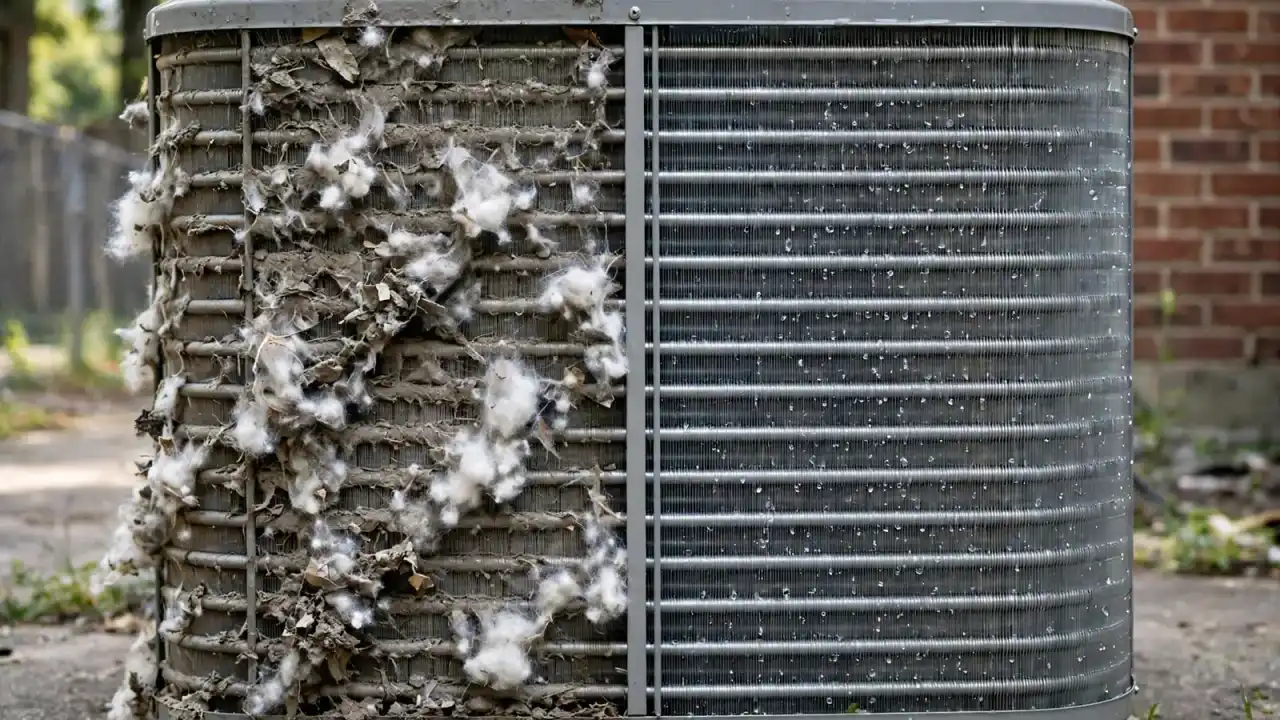 BeforeAfter
The call
What happens when you call
- 1
Dial the number
Your call goes to an independent HVAC technician working in DC.
- 2
Describe the problem
What the system does, what you checked and what type you have.
- 3
Agree next steps on the call
Any visit is arranged between you and the technician while you talk.
- 4
Diagnosis
If a visit is set up, the technician tests and explains what failed.
- 5
Your decision
You choose whether and how to proceed.
DC neighborhoods
AC repair across DC neighborhoods
From [Capitol Hill](/areas/capitol-hill/) rowhouses to Chevy Chase colonials, here is what differs.
 Service area
Anacostia
Historic frame houses on hillsides, mid-century garden apartments and many renters. Window units, mini-splits and heat safety shape AC repair here.
Learn more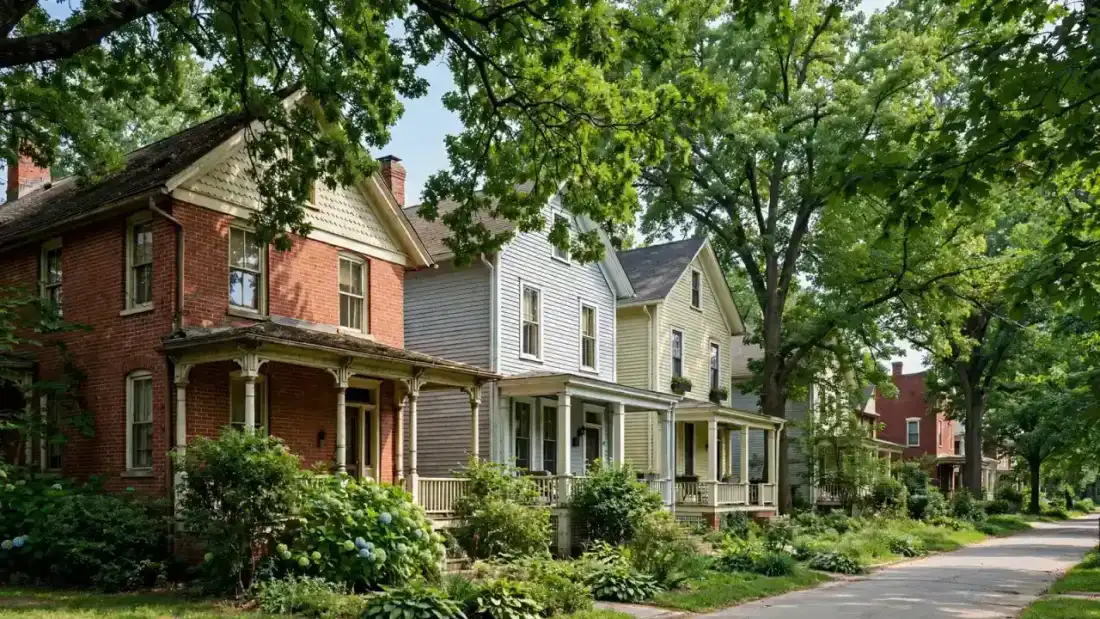 Service area
Brookland
Detached and semi-detached early 1900s houses, bungalows and porches near Catholic University. Attics, basements and older ductwork shape AC repair.
Learn more Service area
Capitol Hill
Victorian rowhouses in one of the country's largest historic districts. Rooftop condensers, long line sets and historic review shape AC work here.
Learn more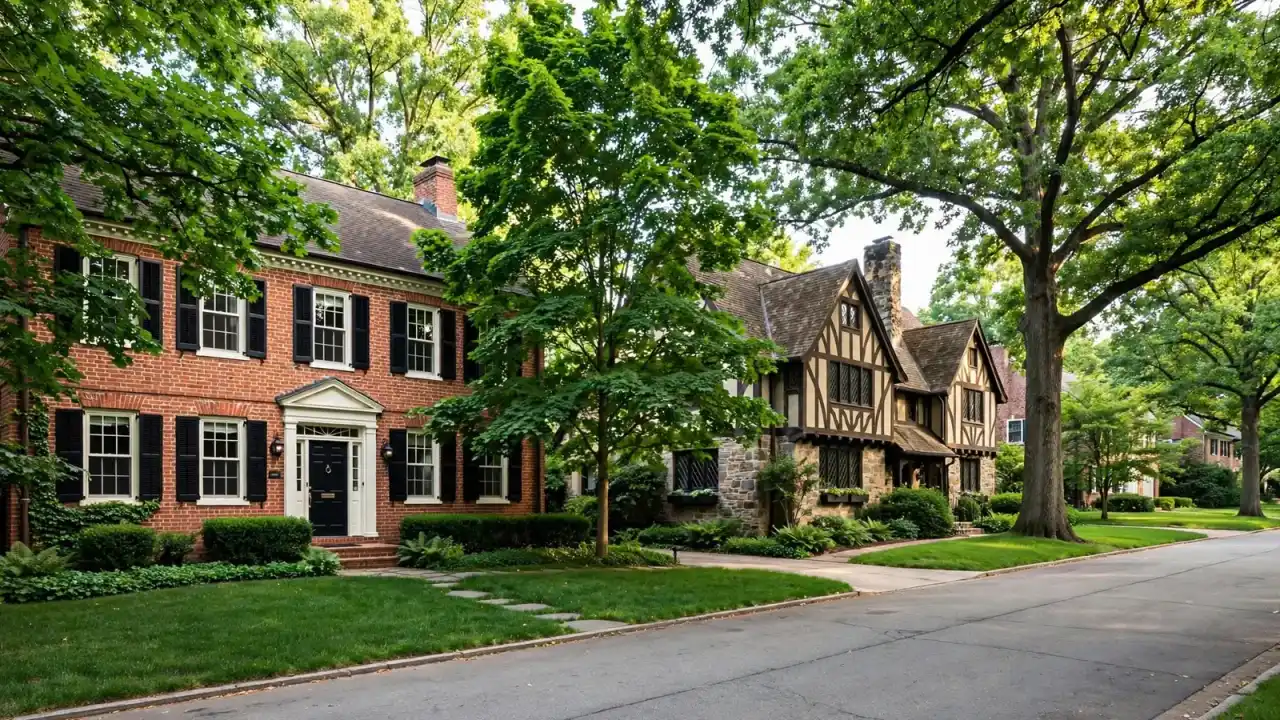 Service area
Chevy Chase DC
Detached colonials and Tudors from the 1910s to 1940s with central air added later. Attic air handlers, ground units, two-system homes and heat pumps.
Learn more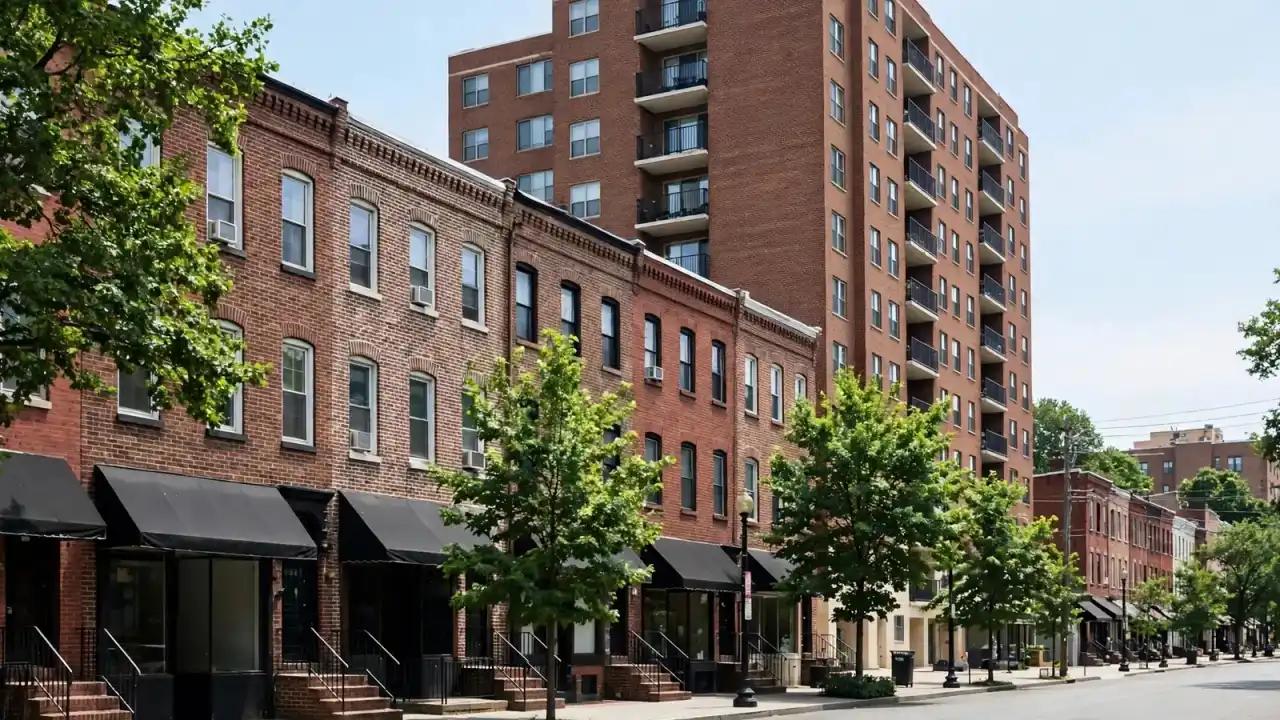 Service area
Columbia Heights
Dense rowhouses, condo conversions and apartment buildings. Shared roofs, through-wall units and building rules shape AC repair here.
Learn more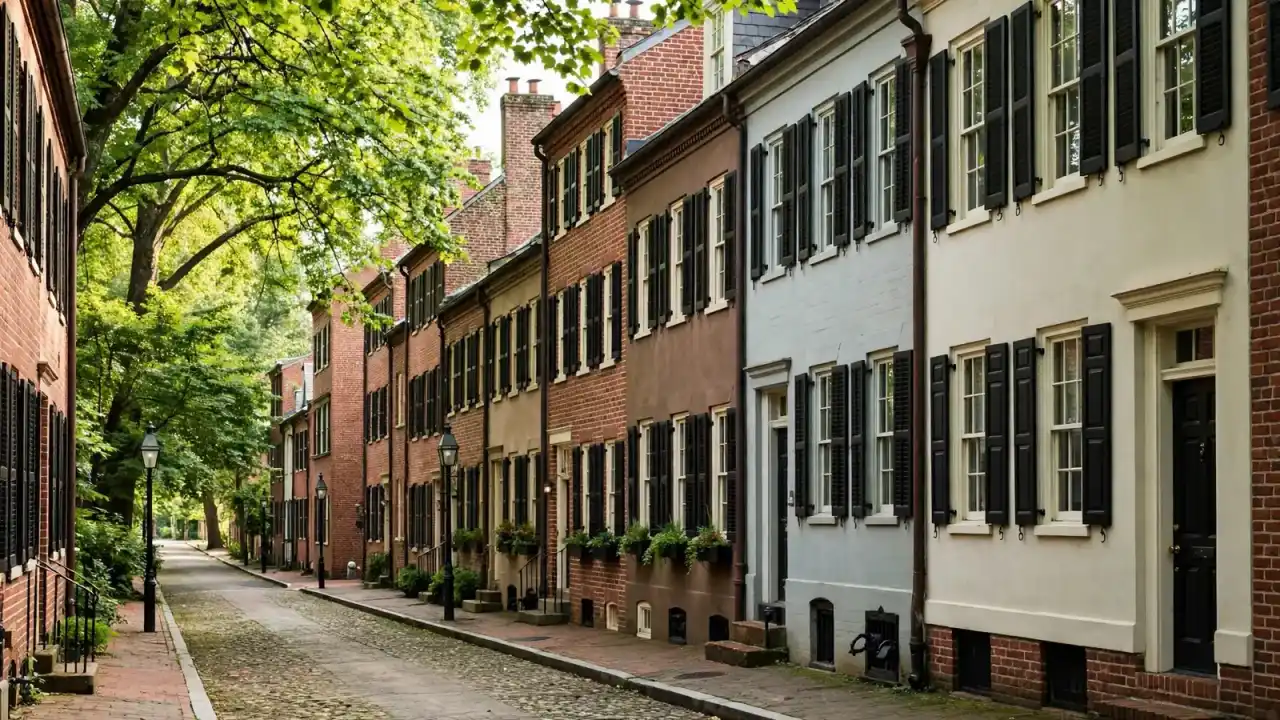 Service area
Georgetown
Federal-era rowhouses older than the capital itself, strict exterior review and tight spaces. How AC repair and replacement work in Georgetown.
Learn more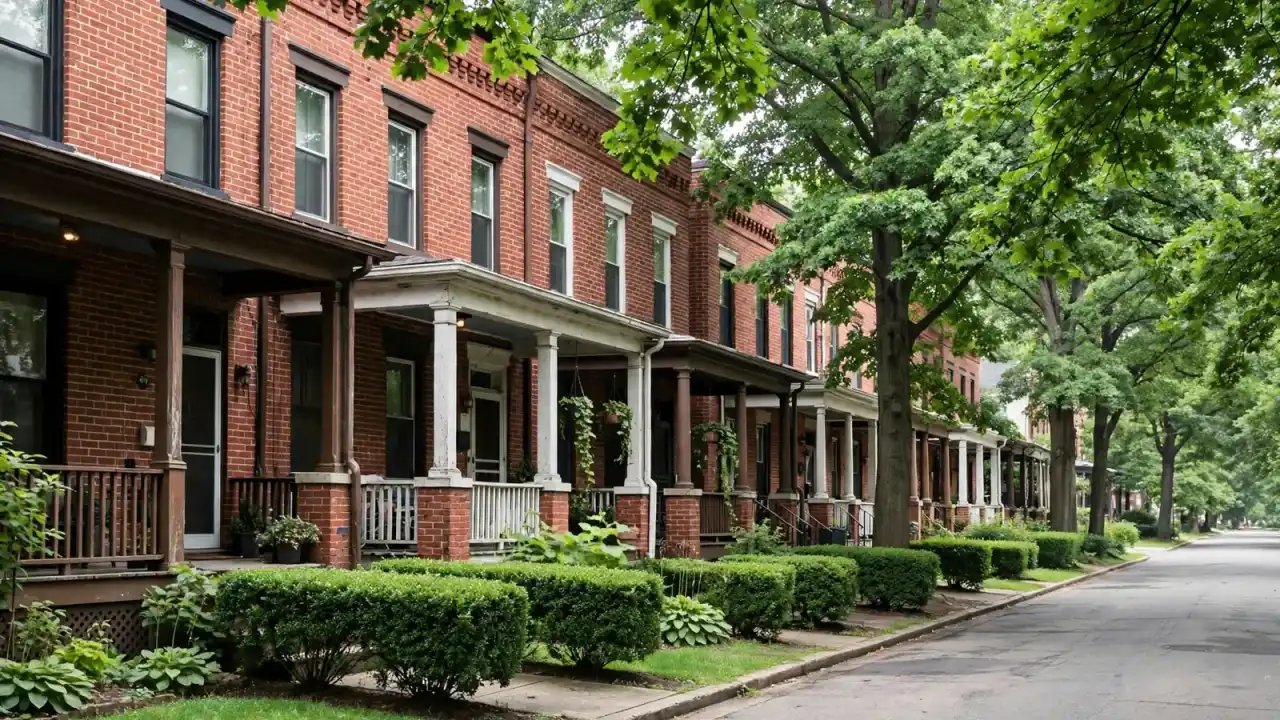 Service area
Petworth
Porch-front rowhouses from the 1910s to 1930s, many renovated with basement units. Split systems, mini-splits and mixed old and new equipment.
Learn more
Symptoms
Quick reference: what you see and what it means
| What you see | Usually points to | Read |
|---|---|---|
| Warm air from vents | Outdoor unit, airflow or refrigerant | AC blowing warm air |
| Humming, fan stopped | Capacitor or fan motor | Capacitor and fan repair |
| Ice on lines | Low airflow or leak | Frozen coil |
| Water near indoor unit | Drain or pump | AC leaking water |
| Starts and stops often | Sizing, controls or charge | Short cycling |
| Nothing happens | Power, thermostat or safety switch | AC won't turn on |
About this site
About this DC call-in line
AC Repair Washington is a call-in referral line. Calling the number on this site connects you to an independent HVAC technician who works in Washington, DC, and you talk with them directly. This site has no technicians, sends no vans and repairs nothing.
We use no forms, keep none of your contact details and never call, text or email you afterward. Anything you arrange is between you and the technician during your call. Before agreeing to work, ask about DC licensing, EPA Section 608 certification and insurance. [2]
For an overview of every service, see DC AC repair services, and for short answers, read the DC AC repair FAQ. The information here is general and draws on public sources such as the EPA, ENERGY STAR, the National Weather Service and DC agencies, listed on each page.
Guides
Troubleshooting guides
Warm air, frozen coils, no power, water leaks and [short cycling](/guides/short-cycling-ac/).
 Guide
AC blowing warm air
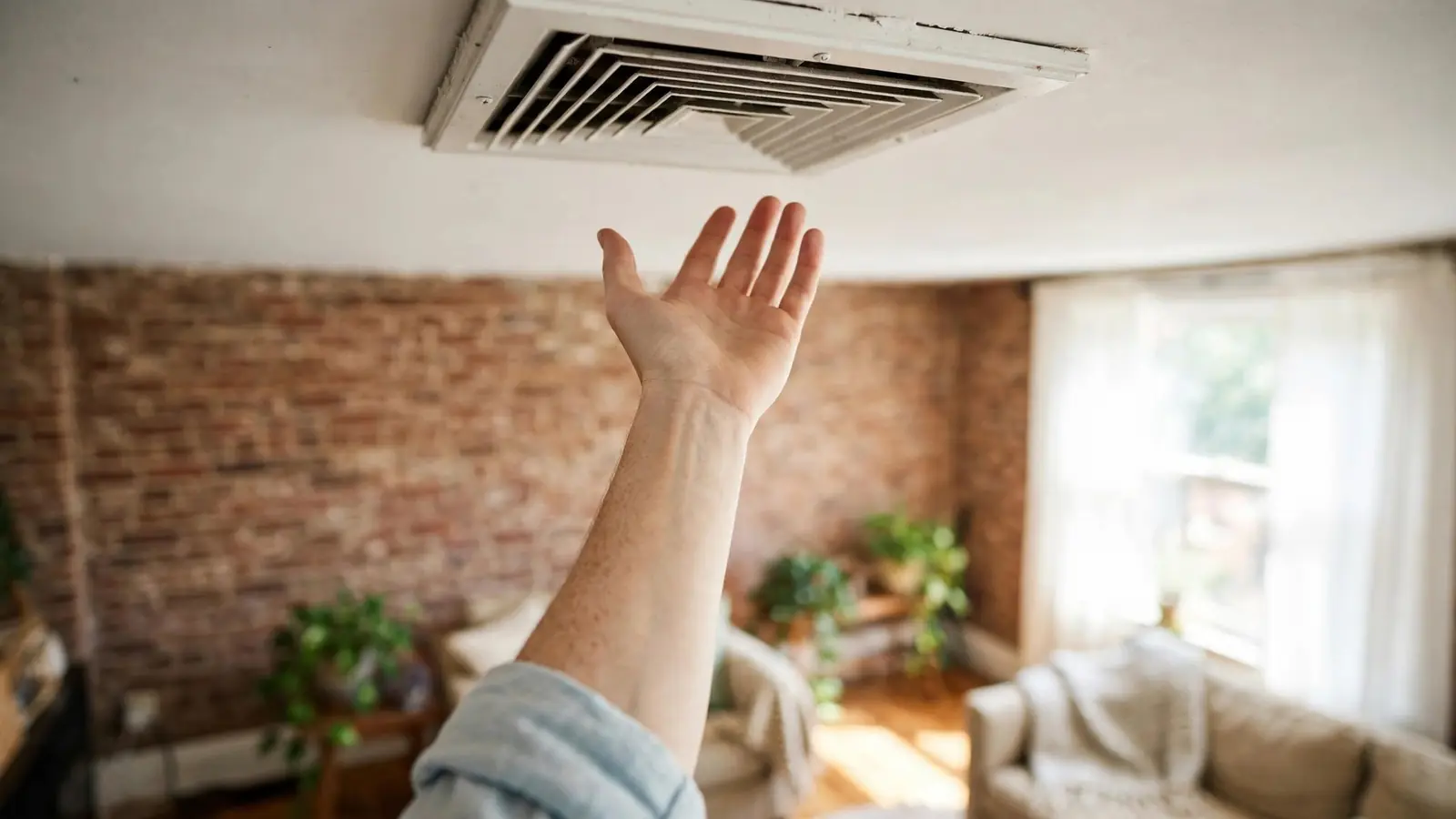
Warm air from the vents has a handful of common causes. Safe checks to try first and what each finding means.
Read the guide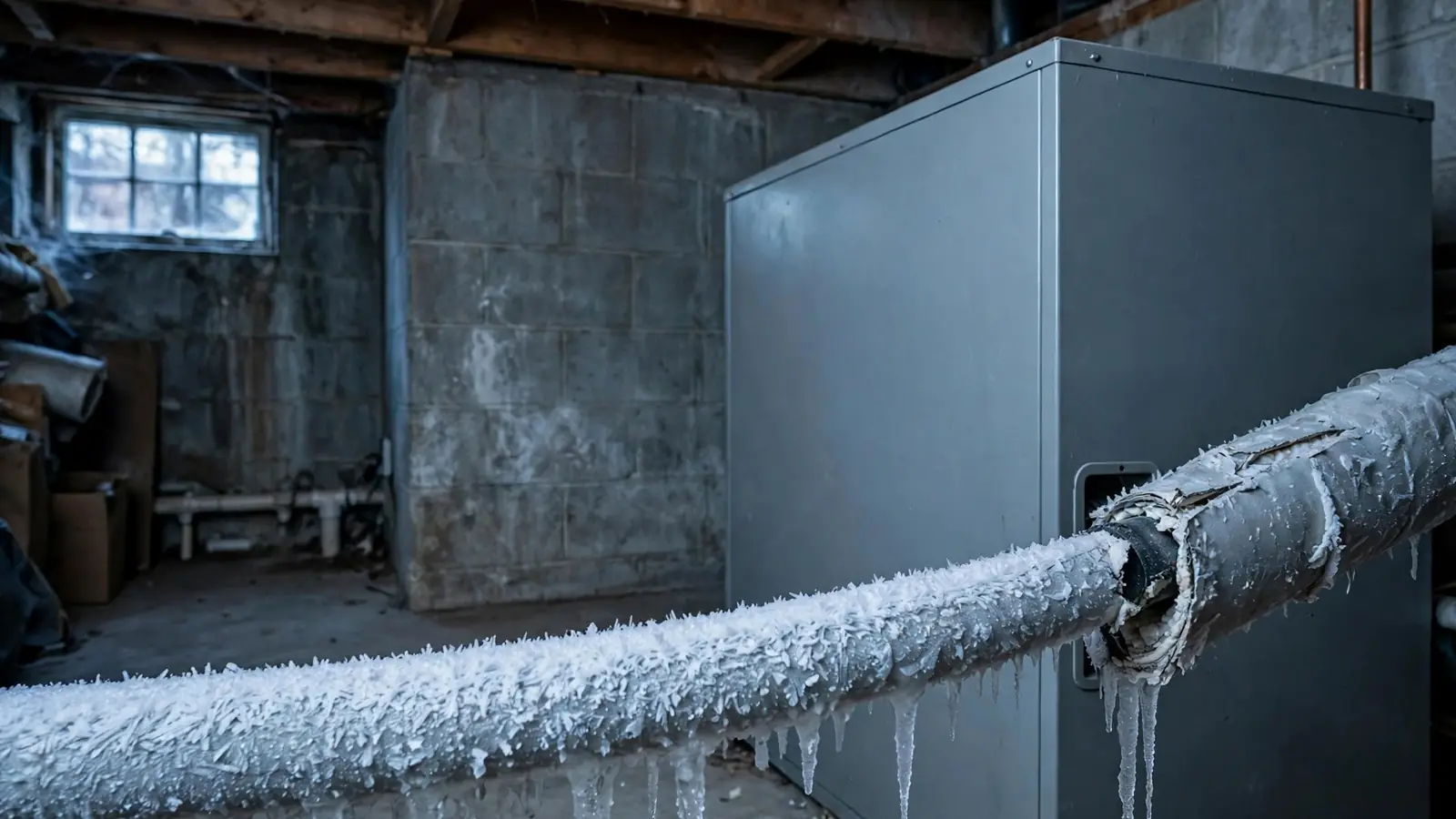 Guide
AC frozen coil
Ice on your AC in summer is a warning sign. Why coils freeze, how to thaw them safely and what usually needs fixing.
Read the guide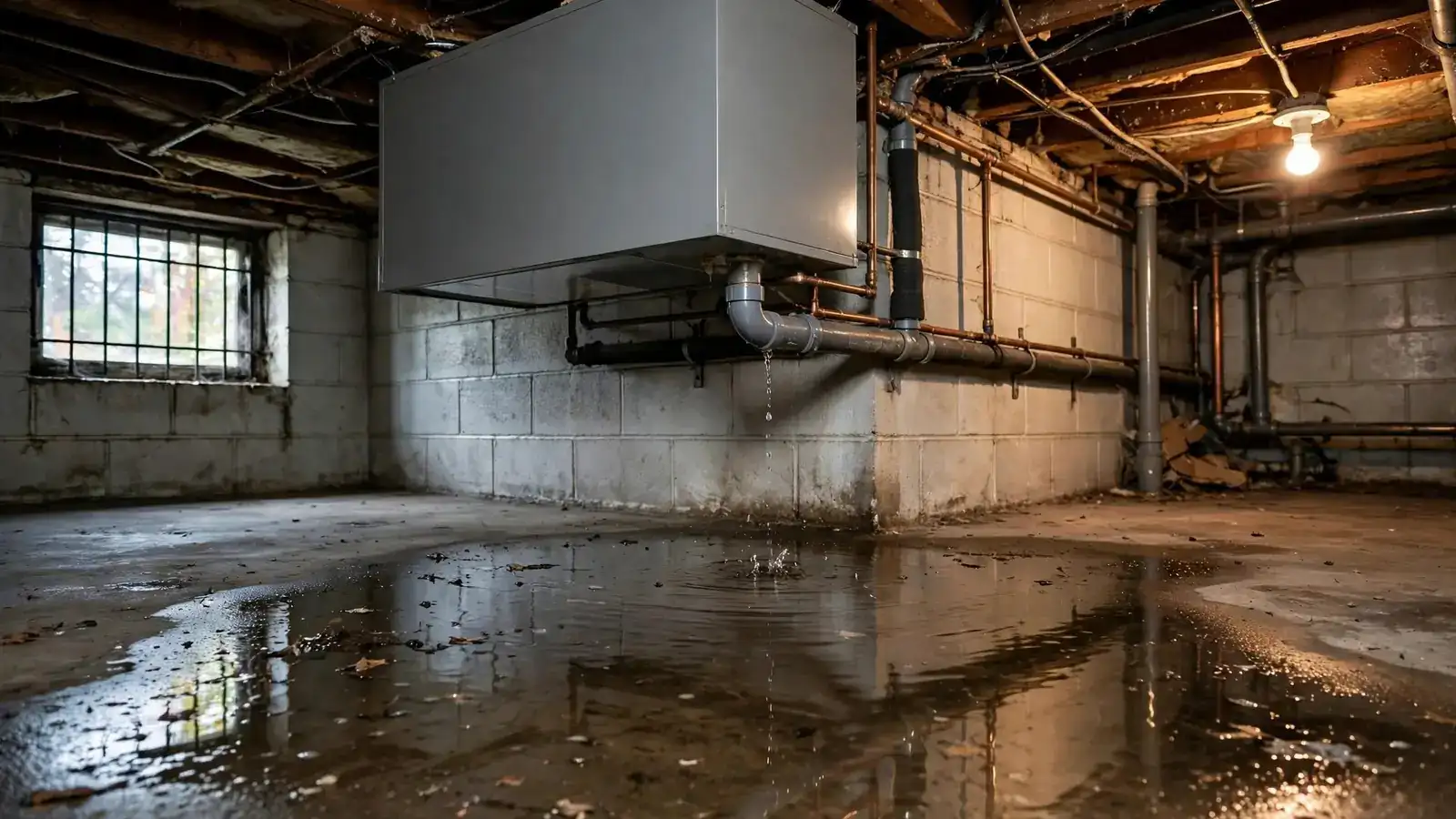 Guide
AC leaking water
Water around the indoor unit usually comes from the condensate system. Common causes, safe steps and how to prevent damage.
Read the guide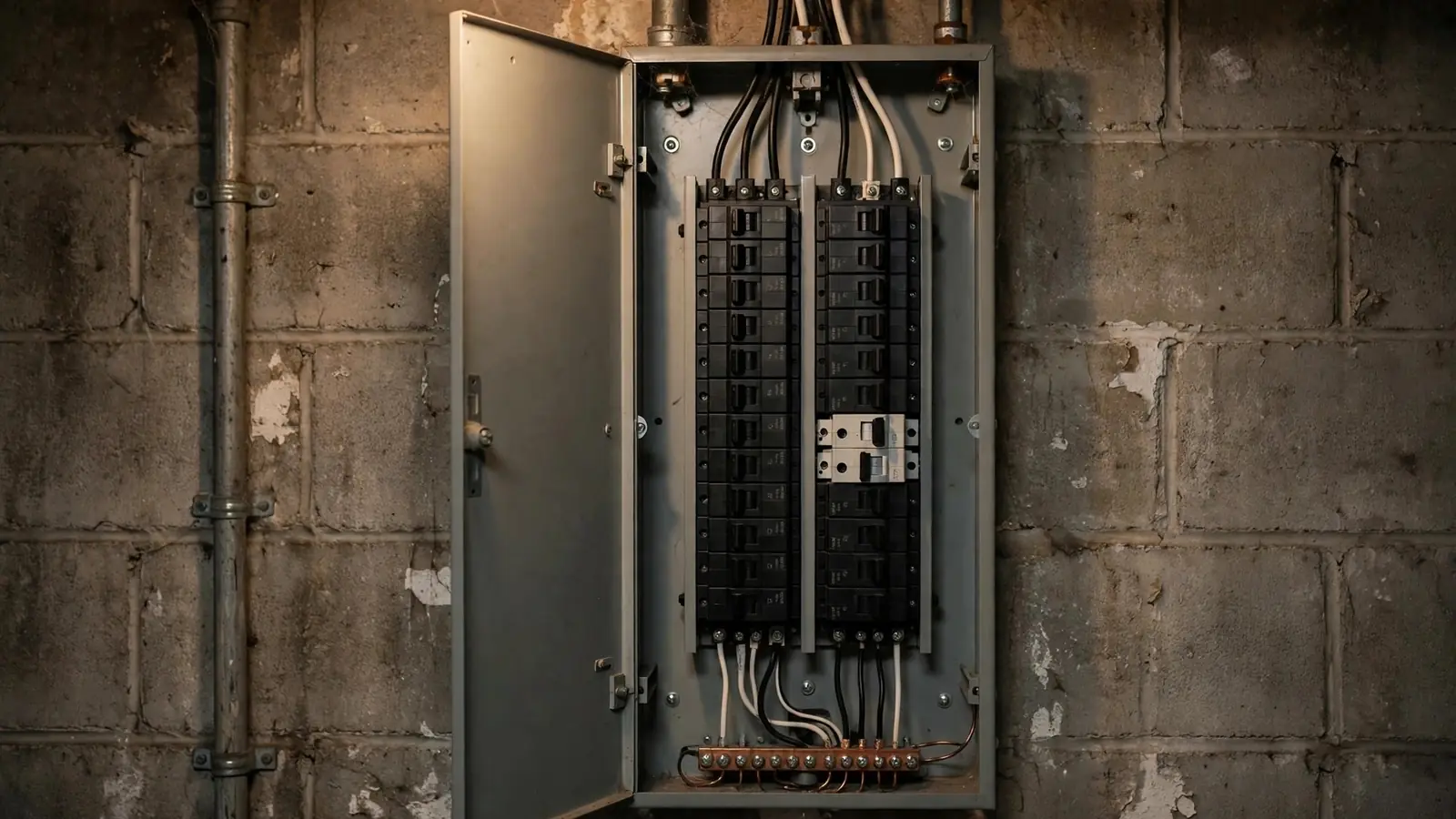 Guide
AC won't turn on
When the AC will not start at all, the cause is often power or controls. Safe checks and what they reveal.
Read the guide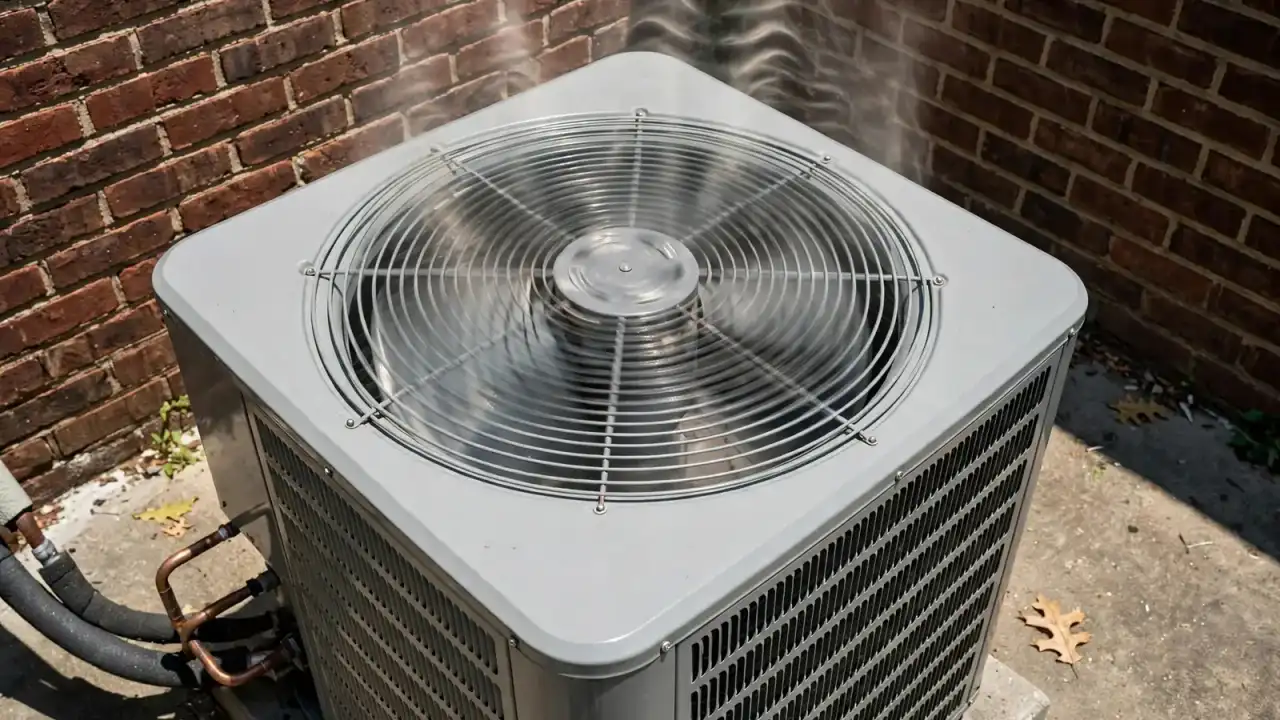 Guide
Short cycling AC
An AC that turns on and off every few minutes wastes energy and wears parts. Why it happens and what to check.
Read the guide
Seasons
Cooling in summer, heating in winter
Washington's climate asks a lot of home systems in both seasons. Summer brings long humid stretches when air conditioners run for hours, and winter brings freezes and occasional snow when heat pumps work hardest. Many DC homes now use heat pumps for both, so a problem can affect comfort all year. Spring and fall checks, before each heavy season, keep surprises to a minimum.
If you rent, your landlord usually arranges repairs to equipment they provide, so report problems in writing and keep a copy.
FAQ
DC AC repair questions
Still have a question?
Send us the details and we'll point you the right way.
Call NowNumber coming soonMy AC runs but the house is warm. Why?
Common causes are a dirty filter, a stopped outdoor fan, a dirty coil or a refrigerant leak.
Who answers when I call?
An independent HVAC technician working in DC. This site does not do repairs.
Will this site contact me later?
No. Nothing is collected, and nobody from this site follows up afterward.
Can you work on rooftop units?
Technicians reached through this line work on rooftop condensers; mention roof access when you call.
Do technicians repair heat pumps and mini-splits?
Many do. Describe your system when you call.
Can an AC just be a bit low on refrigerant?
No. It means a leak that a certified technician should find and repair.
Should I turn off my AC if there is ice?
Yes. Turn cooling off and let it thaw with the fan running.
Do I need a permit for a new system?
Installations and replacements often need a DC mechanical permit.

DC air conditioning
Talk to an HVAC technician now
Call and you are connected to an independent HVAC technician working in Washington, DC. Describe what your system is doing.
Sources and citations
Keep reading