
Key facts: Anacostia
- Anacostia was founded in 1854 as Uniontown, one of Washington's first suburbs [1].
- The Anacostia Historic District protects many of its nineteenth-century houses.
- Frederick Douglass lived at Cedar Hill in Anacostia from 1877 until his death in 1895 [2].
- Heat islands and limited cooling make heat waves more dangerous for vulnerable residents [3].
- The covered ZIP code for Anacostia on this line is 20020.
Coverage
Anacostia ZIP codes served
Calls from these Anacostia ZIP codes can reach an independent HVAC technician who works there.
- 20020Anacostia, Fairlawn, Hillcrest edges, Barry Farm and nearby neighborhoods east of the river.
About Anacostia
A historic neighborhood east of the river
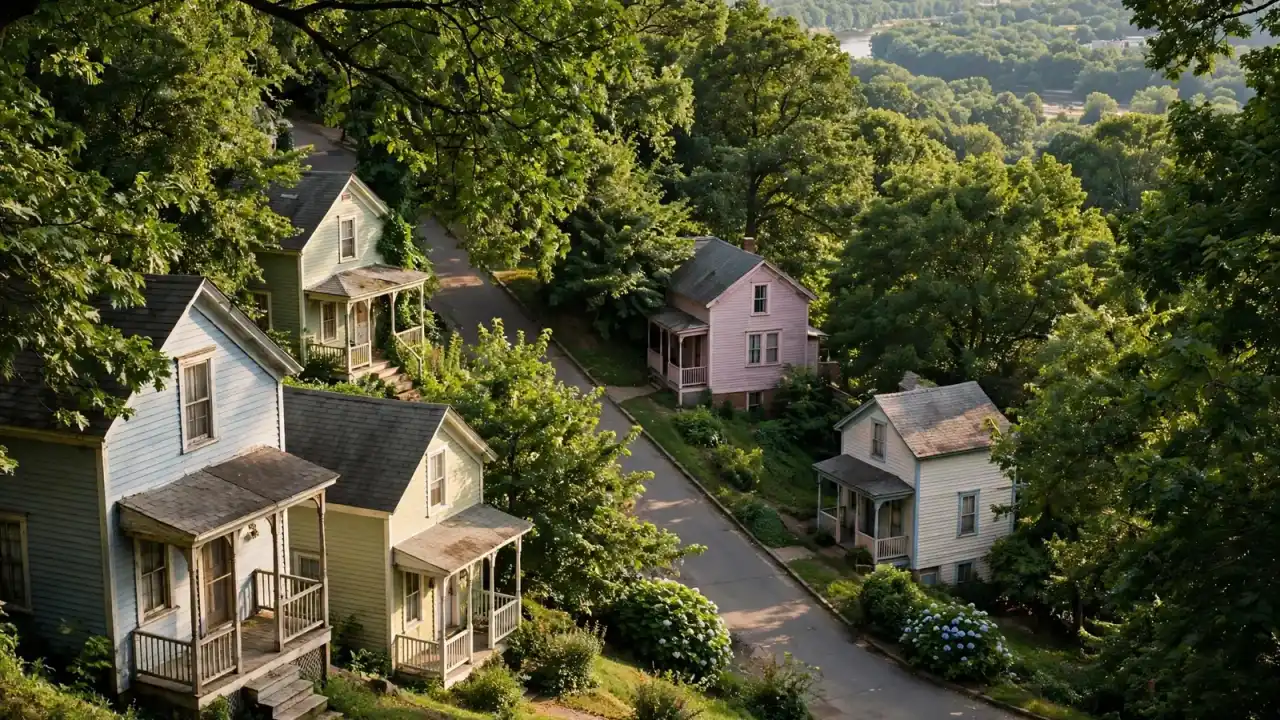
Anacostia began in 1854 as Uniontown, a planned suburb across the river from the Navy Yard. Its modest frame and brick houses, many with porches, climb the hills above the river. Frederick Douglass bought Cedar Hill here in 1877, and his home is now a national historic site. The Anacostia Historic District protects much of the original town. In the twentieth century, large garden apartment complexes and public housing were built across the surrounding hills.
Systems
How Anacostia homes are cooled
Window units
Still common in older houses and apartments.
Wall-sleeve air conditioners
In many garden apartment buildings.
Central split systems
In renovated houses, with yard condensers.
Mini-split heads
In renovations and some apartments.
Heat pumps
Increasingly common in new and renovated homes.
Building systems
In larger apartment complexes.
Older houses
Historic frame houses
Many historic Anacostia houses are small wood-frame homes from the late nineteenth and early twentieth centuries, with limited insulation, old windows and no original ductwork. Cooling was usually added with window units. Owners renovating these homes often choose ductless mini-splits, which avoid ducts and can heat as well as cool. In the historic district, outdoor units and line sets should be placed out of street view where possible, since visible changes may need review.
Problems
Common Anacostia AC problems
| Problem | Likely cause | Usual approach |
|---|---|---|
| Window unit not cooling | Dirty filter, failing compressor | Clean or replace |
| Through-wall unit leaking inside | Sleeve pitch or blocked drain | Adjust and clear |
| Mini-split error codes | Sensors, drains, leaks | Diagnose and repair |
| Yard condenser damaged | Debris, theft of parts | Repair and protect |
| Uneven cooling on hillside homes | Sun exposure and layout | Zoning or added units |
| Breakers tripping | Old wiring, overloaded circuits | Electrician and HVAC check |
Before you call
First checks for Anacostia homes
- 1
Filter
Window, wall or mini-split filters clog fast.
- 2
Power
Unit plugged directly into a wall outlet; breaker on.
- 3
Settings
Cool mode, not fan only.
- 4
Outdoor side
Not blocked by plants or debris.
- 5
Water
Dripping inside means a drain or tilt problem.
- 6
Landlord
If you rent, report in writing.
Renters
Garden apartments and renters
Large garden apartment complexes on Anacostia's hills house many families. Cooling in these buildings is usually provided by the landlord through window, through-wall or central systems. In DC, landlords are generally responsible for keeping equipment they supply in working order.
Tenants should report cooling problems in writing to management, keep a copy and follow up if repairs are slow. During extreme heat, ask management about temporary measures and use cooling centers if your unit is unsafe.
- Landlords maintain supplied equipment
- Report problems in writing
- Keep copies
- Use cooling centers in emergencies
Window units
Window units done right
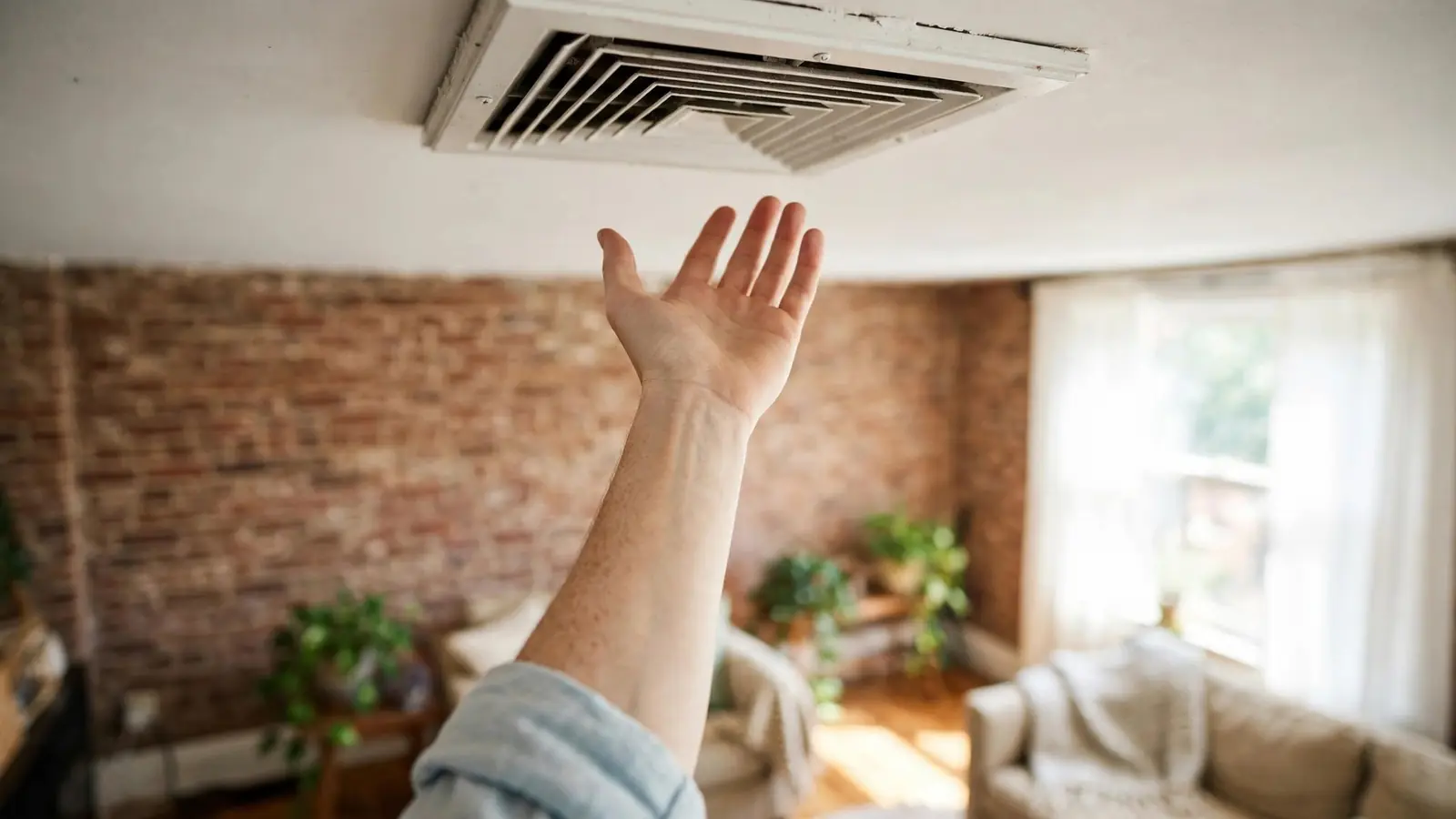
Window air conditioners are still the main cooling in many Anacostia homes. They work best when sized for the room, installed level with a slight tilt outward so water drains outside, sealed around the edges and plugged directly into a properly rated wall outlet. Extension cords and overloaded power strips are a fire risk. Clean the filter every few weeks in summer and rinse the outdoor coil gently at the start of the season. If a unit runs but blows warm air, the compressor or refrigerant may have failed; old window units are usually replaced rather than repaired.
Wall units
Through-wall units in garden apartments
Many mid-century garden apartments in Anacostia use through-wall air conditioners set in a metal sleeve under a window. When these fail, the cause is often a dirty filter, a failed fan motor or compressor, or water leaking indoors because the sleeve is not pitched toward the outside. Landlords generally handle these repairs. Replacement units must fit the existing sleeve, so maintenance staff often keep matching models on hand.
Options
Cooling options for small houses
| Option | Strengths | Trade-offs |
|---|---|---|
| Window units | Simple, room by room | Noisy, block windows, less efficient |
| Ductless mini-split | Quiet, efficient, heats too | Installation work, outdoor unit placement |
| Central ducted system | Whole-house comfort | Needs ducts and space |
| Through-wall unit | Frees windows | Needs a wall sleeve |
Terrain
Hillside houses and sun
Anacostia's houses sit on slopes facing different directions, and some get strong afternoon sun on their west sides with little shade. Upper floors under roofs heat quickly. Homes higher on the hills may catch more breeze, while those in hollows can feel stuffier. Shade trees, window shades and good insulation help any cooling system work less hard. When planning a mini-split, put indoor heads where they can reach the hottest rooms.
New construction
Renovations and new homes
Recent years have brought renovations of historic houses and new construction across Anacostia and nearby neighborhoods, including new rowhouses, townhomes and apartment buildings near the Anacostia Metro and Martin Luther King Jr. Avenue. New homes typically have ducted heat pumps or mini-splits. As with any new installation, problems in the first years often trace to installation details such as drain slope, duct sealing or refrigerant charge, and are usually covered by labor warranties if reported promptly.
Electrical
Electrical capacity in older homes
Older Anacostia houses may have small electrical services and limited circuits, which is why several window units can trip breakers. Before adding central air or a heat pump, a licensed electrician should confirm the service can support it. Renovations often include a panel upgrade. Never run air conditioners on extension cords, and have warm outlets or scorched plugs checked right away.
Choosing help
Questions to ask a technician
Do you install mini-splits in older houses?
Useful for homes without ducts.
Will equipment be out of street view?
Important in the historic district.
Can you check my electrical capacity with an electrician?
Before adding big loads.
Is your DC license current?
Through DLCP.
Do you handle through-wall units?
Common in apartments.
Community
Community and heat
Neighborhoods east of the Anacostia River have historically had less tree cover in some areas and higher rates of health conditions that make heat dangerous. DC agencies and community groups run programs on tree planting, energy efficiency and cooling during heat emergencies. During extreme heat, the District activates cooling centers and may extend hours at recreation centers and libraries. Checking on neighbors, especially older adults living alone, saves lives.
Heat wave steps
If a heat wave hits and your cooling fails
- 1
Move to the coolest room
Lowest floor, shades drawn.
- 2
Hydrate
Water, not alcohol or sugary drinks.
- 3
Go to a cooled place
Library, recreation center or cooling center.
- 4
Report the failure
To your landlord in writing, or call a technician.
- 5
Watch for heat illness
Dizziness, confusion, no sweating; call 911.
Mini-splits
Mini-split heat pumps for older homes
Ductless mini-split heat pumps suit Anacostia's small frame houses well. A single outdoor unit can serve two to four indoor heads, providing cooling in summer and efficient heating in winter, often replacing both window units and old space heaters. Installation needs small holes for line sets and drains, a dedicated electrical circuit and a spot for the outdoor unit with good airflow and out of street view in the historic district. Regular filter cleaning and drain checks keep them running.
Winter
Space heaters and winter safety
In homes without good heating, space heaters often fill the gap in winter. They are a leading cause of home heating fires. Keep them at least three feet from anything that can burn, plug them directly into wall outlets and turn them off when leaving the room or sleeping. Heat pumps provide safer, more efficient heat and can replace many space heaters.
Summary
Anacostia AC at a glance
| Topic | What to know |
|---|---|
| Housing | Historic frame houses, garden apartments, new builds |
| Systems | Window units, wall units, mini-splits, heat pumps |
| Renters | Landlords maintain supplied equipment |
| Historic district | Keep outdoor equipment out of street view |
| Heat safety | Use cooling centers; check on neighbors |
Window tips
Getting the most from window units
- 1
Right size
Match capacity to the room.
- 2
Seal gaps
Foam or panels around the unit.
- 3
Clean filters
Every few weeks.
- 4
Direct plug
No extension cords.
- 5
Shade the window
Reduces load.
Historic district
The historic district and equipment placement
The Anacostia Historic District, designated in the 1970s, covers much of the original Uniontown grid. Visible changes to house exteriors may need review by DC's Historic Preservation Office. For cooling, that mostly means placing outdoor units in rear or side yards out of street view, running line sets along rear or side walls and avoiding window units on prominent front facades where alternatives exist. Repairs that do not change what is visible generally do not need review.
Nearby neighborhoods
Fairlawn, Hillcrest edges and nearby areas
The 20020 ZIP code also reaches neighborhoods such as Fairlawn and parts near Hillcrest, with detached houses, duplexes and mid-century homes on larger lots, many with central air or heat pumps and ground-level condensers. These homes face the usual suburban issues: yard debris on coils, attic or basement air handlers, older ducts and systems approaching the end of their lives.
Typical repairs
Common Anacostia repairs
Window unit replacement
Old units with failed compressors.
Wall unit service
Filters, fans, drains.
Mini-split service
Filters, drains, error codes.
Capacitor replacement
Yard condensers after heat waves.
Drain clearing
Basement and closet air handlers.
Electrical checks
Overloaded circuits.
Tenant rights
Landlord responsibilities in DC
DC law generally requires landlords to maintain rental units in safe, habitable condition, including equipment they supply. When air conditioning provided by the landlord fails, tenants should notify the landlord in writing, describe the problem and keep records of dates and responses. The DC Office of the Tenant Advocate provides information to renters about their rights. In heat emergencies, do not stay in a dangerously hot unit; go to a cooler place while repairs are arranged.
Security
Protecting outdoor units
Outdoor units in yards and alleys sometimes suffer damage or theft of copper and parts. A locking cage around the condenser, secure mounting on a pad and good lighting deter theft. Locking caps on refrigerant service ports prevent tampering and refrigerant theft. If your unit is damaged, switch the system off and call a technician; damaged lines can leak refrigerant and exposed wiring is a hazard.
Efficiency
Energy efficiency programs
DC's Department of Energy and Environment and partner programs have offered weatherization, efficiency and heat pump programs for income-qualified households, and Pepco provides energy information to customers. [7] Programs change over time, so check current offerings. Insulation, air sealing and efficient equipment make homes more comfortable and easier to cool.
Warning signs
Signs it is time to call
- Warm air from a unit that used to coolCompressor, refrigerant or fan.
- Water dripping indoorsDrain or tilt problem.
- Burning smell or scorched plugTurn off and unplug; get it checked.
- Breaker trips repeatedlyElectrical problem.
- Mini-split blinking codesWrite down the code.
Summary
Anacostia in short
Expect a mix of window units, wall units, mini-splits and central systems. Keep filters clean, plug units directly into wall outlets, protect outdoor units, keep equipment out of street view in the historic district, and treat heat seriously. Renters should report failures in writing and use cooling centers during emergencies.
Health
Older adults and medical needs
Many Anacostia households include older adults or people with conditions such as heart disease, lung disease or diabetes, who are more vulnerable to heat. Some medications also affect how the body handles heat. A reliable cool room is a health need in July and August. If cooling fails, prioritize repair, move vulnerable family members to a cooled space and talk to their doctors about heat precautions. Keep medications that need cool storage in a refrigerator if room temperatures climb.
Small buildings
Duplexes and small apartment buildings
Between the historic houses and large complexes, Anacostia has many duplexes and small apartment buildings with two to eight units. Each unit may have its own window or wall units, or a small split system with a condenser in the yard. Owners of these buildings should keep a list of equipment for each unit, schedule spring checks and make sure tenants know how to report problems.
Spring routine
A spring check for a small building
- 1
List each unit's equipment
Type, age and location.
- 2
Clean filters and coils
Every unit.
- 3
Test each unit
Cooling, drainage and noise.
- 4
Check wiring and outlets
No extension cords, no scorching.
- 5
Replace failing units
Before the first heat wave.
Shade
Trees, shade and cooler homes
Tree cover makes a real difference to how hot a home gets. Streets and yards with mature trees stay noticeably cooler than open, paved blocks, and shaded houses need less cooling. DC has run tree planting programs to increase canopy in neighborhoods with fewer trees. For individual homes, shading west-facing windows with trees, awnings or exterior shades reduces afternoon heat gain and helps window units and mini-splits keep up.
Decisions
Choosing between window units and a mini-split
For a small Anacostia house with two or three rooms to cool, the choice often comes down to window units or a mini-split. Window units are simple to buy and replace, but they are noisy, block light and windows, and use more electricity. A mini-split heat pump is quieter, more efficient and heats in winter, but needs professional installation and an outdoor unit location. Many owners start with the hottest room and add heads over time.
Basements
Damp hillside basements
Older Anacostia houses on hillsides often have partly exposed basements that stay damp in summer. Air conditioning upstairs does little for a damp basement, so a dehumidifier there helps protect stored items and reduces musty smells drifting upstairs. If a central system's air handler or ducts are in the basement, keep its drain clear and watch for rust or wet insulation.
FAQ
Anacostia AC questions
Who repairs AC in my apartment?
Usually the landlord, for equipment they supplied. Report problems in writing.
Can my old frame house get central air?
Yes, often with ductless mini-splits that avoid new ducts.
Why does my window unit trip the breaker?
Older circuits may be overloaded. Avoid extension cords and have wiring checked.
Do I need approval for a condenser in the historic district?
If visible from the street, review may be needed.
Where can I go during a heat emergency?
DC opens cooling centers during heat emergencies.
Why does my through-wall unit drip indoors?
The sleeve may not slope outward or the drain is blocked.
Are heat pumps good for small houses?
Yes. Mini-split heat pumps suit small homes well.
How often should window unit filters be cleaned?
Every few weeks in summer.
Should my window unit tilt outward?
Slightly, so condensate drains outside rather than into the room.
Is it worth repairing an old window unit?
Usually not. Most are replaced when the compressor fails.
Why is my upstairs so hot?
Roof heat and sun exposure. Shades, insulation and a dedicated unit help.
Can several window units overload my house?
Yes, on older circuits. An electrician can assess capacity.
Where are cooling centers in DC?
The District announces locations during heat emergencies.
Can a mini-split replace my space heaters?
Often. Mini-split heat pumps heat efficiently and more safely.
How far should a space heater be from furniture?
Keep a clear three-foot zone around it, free of bedding, curtains and furniture.
Does the historic district restrict window units?
Visible changes may need review; ask before adding units on prominent facades.
Where can tenants learn about their rights?
The DC Office of the Tenant Advocate provides information for renters.
How can I protect my condenser from theft?
A locking cage, secure mounting, lighting and locking port caps help.
Are there programs to help with efficiency?
DC has offered weatherization and efficiency programs; check current offerings with DOEE.
How can I protect a relative with heart disease in a heat wave?
Keep them in a cooled space, ensure hydration and follow their doctor's heat advice.
Should small building owners check every unit each spring?
Yes. It catches failing units before the heat arrives.
Do trees really help with cooling?
Yes. Shade on roofs and west windows reduces heat gain significantly.
Will a dehumidifier help my basement?
Yes. It reduces dampness and musty smells that air conditioning upstairs does not reach.
Can a window unit cool two rooms?
Rarely well. One unit per room or a multi-zone mini-split works better.
What upkeep does a mini-split need?
Clean filters often and have drains and coils checked yearly.
Is Anacostia covered by this line?
Yes, ZIP code 20020 is covered. Calls reach an independent technician who works east of the river.
Can an old window unit be recycled?
Yes. Refrigerant must be recovered; DC offers bulk item and appliance disposal options.